

What Is Potable Water Used For? A Comprehensive Guide to Safe Drinking Water Applications


What Is Potable Water Used For? A Comprehensive Guide to Safe Drinking Water Applications
Understanding the applications of potable water is crucial for both residential and industrial users. As water scarcity becomes an increasingly pressing global concern, knowing how potable water is used and managed helps ensure this vital resource is utilized efficiently. This comprehensive guide explores the various applications of potable water and why proper monitoring systems, like those provided by RACO Manufacturing & Engineering, are essential for maintaining safe water supplies.
What Exactly Is Potable Water?
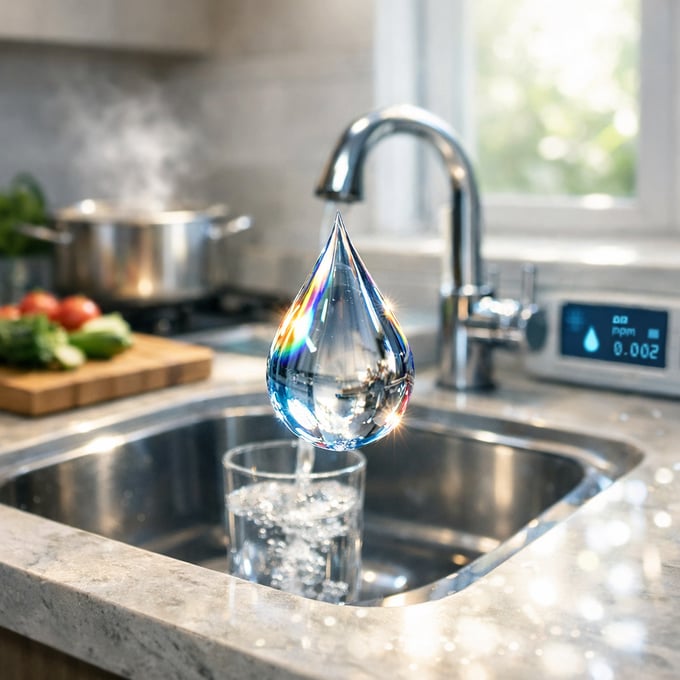
Potable water, also known as drinking water, is water that has been treated and purified to meet specific safety standards for human consumption. This water must be free from contaminants, harmful microorganisms, and excessive minerals that could pose health risks. The Environmental Protection Agency (EPA) establishes and enforces these standards in the United States.
| Characteristic | Requirement for Potable Water |
|---|---|
| Bacteria Count | 0 coliform bacteria per 100ml |
| Turbidity | Less than 1 NTU |
| pH Level | 6.5-8.5 |
| Chlorine Residual | 0.2-4.0 mg/L |
Primary Applications of Potable Water
1. Residential Uses
In residential settings, potable water serves numerous essential functions:
- Drinking and Cooking: Direct consumption and food preparation require the highest quality water
- Personal Hygiene: Bathing, showering, and dental care
- Household Cleaning: Washing dishes, laundry, and general housekeeping
- Indoor Plumbing: Toilet flushing and sink usage
2. Commercial Applications
Businesses rely heavily on potable water for various operations:
- Food Service Industry: Restaurant kitchens, beverage preparation, and ice making
- Healthcare Facilities: Medical procedures, sterilization, and patient care
- Hospitality Sector: Hotels, swimming pools, and spa services
- Office Buildings: Drinking fountains, bathrooms, and cleaning services
3. Industrial Uses
Many industrial processes require potable water:
- Food and Beverage Manufacturing: Product ingredients and processing
- Pharmaceutical Production: Medicine manufacturing and equipment cleaning
- Electronics Manufacturing: Circuit board cleaning and cooling systems
- Laboratory Operations: Research and testing procedures
Monitoring and Managing Potable Water Systems
Maintaining potable water quality requires sophisticated monitoring systems. RACO's alarm monitoring solutions play a crucial role in ensuring water treatment facilities operate efficiently and safely. These systems provide:
- Real-time monitoring of water quality parameters
- Immediate alerts for system malfunctions
- Data logging for regulatory compliance
- Remote access to system controls
The Role of Automation in Potable Water Management
Modern potable water systems rely heavily on automation for efficient operation. RACO's AlarmAgent® and Catalyst® systems provide essential monitoring and control capabilities:
| Feature | Benefit |
|---|---|
| 24/7 Monitoring | Continuous system oversight without human intervention |
| Instant Notifications | Quick response to potential issues |
| Data Analytics | Improved decision-making and system optimization |
| Remote Management | Efficient control of water treatment processes |
Conservation and Sustainability Considerations
As potable water becomes increasingly precious, conservation efforts are critical. Modern monitoring systems help identify:
- Leaks and system inefficiencies
- Usage patterns and peak demand periods
- Opportunities for water recycling
- Potential system improvements
Safety and Regulatory Compliance
Maintaining potable water safety requires strict adherence to regulations. Key considerations include:
- Regular water quality testing
- Documentation of treatment processes
- Emergency response procedures
- Operator certification requirements
Future Trends in Potable Water Management
The future of potable water management is evolving with technology. Emerging trends include:
- Smart water meters
- AI-powered treatment systems
- Advanced filtration technologies
- Integrated water management platforms
Conclusion
Potable water is essential for countless applications in our daily lives, from basic survival needs to complex industrial processes. Understanding these applications helps us appreciate the importance of proper water management and monitoring systems. RACO's advanced monitoring solutions play a vital role in ensuring the safe and efficient delivery of potable water to end-users.
For more information about protecting and monitoring your potable water systems, contact RACO Manufacturing & Engineering to learn about our comprehensive alarm monitoring solutions.