



SCADA Panel Systems: The Complete Guide to Modern Process Control
In today's interconnected industrial world, SCADA panels serve as the nerve center of automated control systems. Whether you're managing a water treatment facility, overseeing manufacturing operations, or monitoring critical infrastructure, understanding SCADA panels is essential for maintaining efficient and reliable operations.
What is a SCADA Panel?
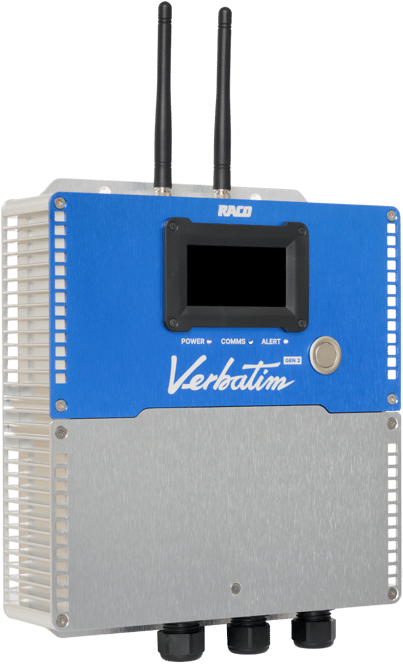
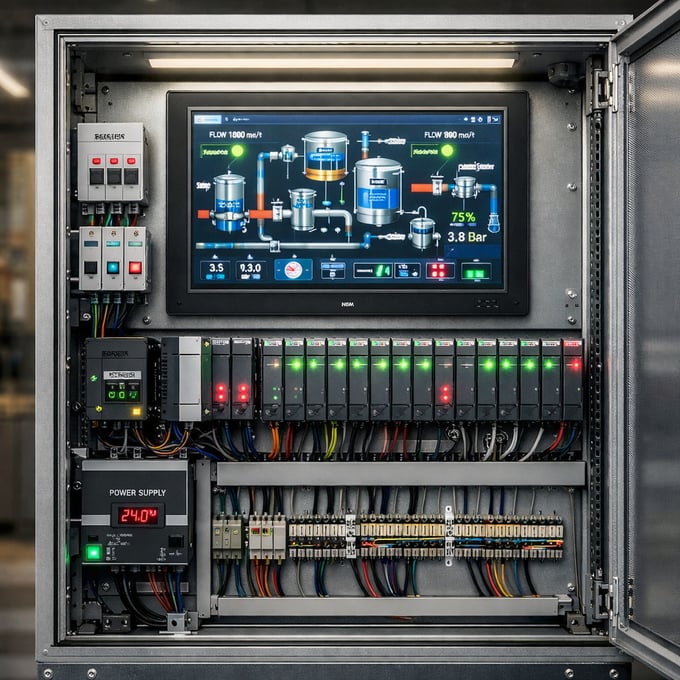
A SCADA panel, or Supervisory Control and Data Acquisition panel, is a specialized control cabinet that houses the hardware components necessary for monitoring and controlling industrial processes. These panels integrate various elements including PLCs, HMIs, power supplies, and communication devices into a single, organized unit that serves as the primary interface for operators.
Key Components of a SCADA Panel
| Component | Function |
|---|---|
| Programmable Logic Controller (PLC) | Processes input signals and controls output devices |
| Human Machine Interface (HMI) | Provides visual interface for operator interaction |
| Power Supply Units | Delivers regulated power to panel components |
| Communication Modules | Enables data exchange between devices and systems |
| Circuit Protection Devices | Protects equipment from electrical faults |
Benefits of Modern SCADA Panels
Modern SCADA panels offer numerous advantages over traditional control systems:
1. Enhanced Operational Efficiency
By centralizing control and monitoring functions, SCADA panels enable operators to manage multiple processes from a single location. This centralization reduces response times and improves overall system efficiency. For example, in a wastewater treatment plant, operators can monitor flow rates, adjust chemical dosing, and control pump operations all from one interface.
2. Real-time Data Analysis
Modern SCADA panels incorporate advanced data collection and analysis capabilities. This allows facilities to:
- Track performance metrics in real-time
- Identify trends and patterns in operational data
- Generate comprehensive reports for compliance and optimization
- Make data-driven decisions for process improvements
3. Improved Safety and Reliability
SCADA panels include numerous safety features and redundancies to ensure reliable operation:
- Emergency shutdown capabilities
- Backup power systems
- Alarm management systems
- Environmental monitoring and protection
SCADA Panel Design Considerations
When designing or selecting a SCADA panel, several crucial factors must be considered:
Environmental Requirements
SCADA panels must be designed to withstand their intended operating environment. This includes considerations for:
- Temperature and humidity ranges
- Dust and water protection (IP/NEMA ratings)
- Corrosive atmospheres
- Vibration and shock resistance
Scalability and Future-proofing
Modern SCADA panels should be designed with expansion capabilities in mind. This includes:
- Extra space for additional components
- Modular design for easy upgrades
- Compatible communication protocols
- Flexible programming options
Integration with Modern Technologies
Today's SCADA panels increasingly incorporate advanced technologies:
Cloud Connectivity
Cloud integration enables remote monitoring and control capabilities, allowing operators to access system data and controls from anywhere with an internet connection. This is particularly valuable for distributed systems or remote facilities.
Industrial Internet of Things (IIoT)
Modern SCADA panels often integrate with IIoT devices and sensors, enabling:
- Predictive maintenance capabilities
- Enhanced data collection
- Improved process optimization
- Better asset management
Best Practices for SCADA Panel Implementation
To ensure successful SCADA panel implementation, consider these best practices:
1. Proper Planning and Documentation
Develop comprehensive documentation including:
- System architecture diagrams
- Wiring schematics
- Component specifications
- Operating procedures
2. Regular Maintenance and Updates
Establish a maintenance schedule that includes:
- Regular system backups
- Software updates
- Hardware inspections
- Calibration checks
Choosing the Right SCADA Panel Solution
When selecting a SCADA panel system, consider working with experienced manufacturers who understand your industry's specific requirements. Look for providers who offer:
- Custom design capabilities
- Comprehensive support services
- Quality certifications
- Proven track record in your industry
Conclusion
SCADA panels are essential components in modern industrial control systems. By understanding their capabilities, design considerations, and implementation best practices, organizations can make informed decisions about their control system needs. Whether you're upgrading an existing system or implementing a new one, choosing the right SCADA panel solution is crucial for long-term operational success.
For expert guidance on SCADA panel solutions tailored to your specific needs, contact RACO Manufacturing & Engineering. Our team of specialists can help you design and implement a control system that meets your operational requirements while providing the reliability and efficiency your facility demands.