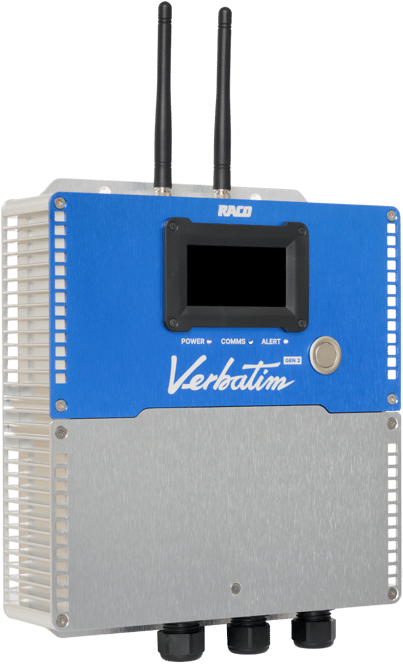



SCADA Software: The Complete Guide to Modern Industrial Automation Systems


SCADA Software: The Complete Guide to Modern Industrial Automation Systems
In today's rapidly evolving industrial landscape, SCADA software stands as the backbone of modern automation and control systems. As a critical tool for monitoring and controlling industrial processes, SCADA (Supervisory Control and Data Acquisition) software has transformed how organizations manage their operations, particularly in utilities, manufacturing, and infrastructure sectors.
Understanding SCADA Software: The Fundamentals
SCADA software serves as the central nervous system of industrial operations, collecting real-time data from various sensors and equipment, processing this information, and enabling operators to make informed decisions. This sophisticated system combines hardware and software elements to provide comprehensive monitoring and control capabilities.
Key Components of SCADA Software Systems
| Component | Function |
|---|---|
| Human Machine Interface (HMI) | Provides visual representation and control interface for operators |
| Remote Terminal Units (RTUs) | Collects data from field devices and sends to central system |
| Programmable Logic Controllers (PLCs) | Controls local processes and communicates with central system |
| Communication Infrastructure | Enables data transfer between field devices and central system |
| Master Terminal Unit (MTU) | Central processing unit that manages system-wide operations |
Benefits of Modern SCADA Software Implementation
Contemporary SCADA software solutions offer numerous advantages that extend far beyond basic monitoring and control capabilities:
1. Enhanced Operational Efficiency
Modern SCADA software systems optimize operations by providing real-time insights and automated responses to operational changes. This capability allows facilities to maintain peak performance while minimizing resource waste and downtime.
2. Improved Data Management
With advanced data collection and analysis capabilities, SCADA software transforms raw operational data into actionable insights. Organizations can leverage this information for predictive maintenance, process optimization, and strategic planning.
3. Remote Monitoring Capabilities
The ability to monitor and control operations remotely has become increasingly important, especially in distributed systems like water utilities or power distribution networks. Modern SCADA software enables secure remote access, allowing operators to manage systems from anywhere with an internet connection.
Critical Features of Modern SCADA Software
When evaluating SCADA software solutions, several key features deserve particular attention:
Real-time Monitoring and Control
Advanced SCADA software provides instantaneous visibility into system operations, allowing operators to monitor critical parameters and make immediate adjustments when necessary. This capability is essential for maintaining optimal performance and responding to potential issues before they escalate.
Data Logging and Historical Analysis
Comprehensive data logging capabilities enable organizations to maintain detailed records of system performance, compliance data, and operational metrics. This historical information proves invaluable for trend analysis, regulatory reporting, and system optimization.
Alarm Management
Sophisticated alarm management systems help operators prioritize and respond to critical events effectively. Modern SCADA software includes features like alarm prioritization, notification routing, and escalation procedures to ensure proper handling of system alerts.
Security Considerations in SCADA Software
As industrial systems become increasingly connected, cybersecurity has emerged as a critical concern in SCADA software implementation:
Essential Security Features
| Security Measure | Purpose |
|---|---|
| Encryption | Protects data during transmission |
| Access Control | Manages user permissions and authentication |
| Audit Trails | Tracks system access and changes |
| Network Segmentation | Isolates critical systems from potential threats |
Integration Capabilities and Industry Standards
Modern SCADA software must support various integration protocols and industry standards to ensure seamless operation with existing systems:
Common Integration Protocols
Leading SCADA software solutions support multiple communication protocols, including:
- Modbus - OPC UA - BACnet - DNP3 - MQTTSelecting the Right SCADA Software Solution
Choosing the appropriate SCADA software requires careful consideration of several factors:
Evaluation Criteria
| Factor | Considerations |
|---|---|
| Scalability | Ability to grow with your organization |
| Reliability | System uptime and redundancy features |
| Support | Vendor expertise and response capabilities |
| Cost | Total cost of ownership, including maintenance |
Future Trends in SCADA Software
The SCADA software landscape continues to evolve with emerging technologies and industry demands:
Emerging Technologies
Several technological advances are shaping the future of SCADA software:
- Cloud-based SCADA solutions - Edge computing integration - Artificial Intelligence and Machine Learning capabilities - Advanced analytics and predictive maintenance - Mobile-first interfacesConclusion
SCADA software remains an essential tool for modern industrial operations, offering unprecedented control, monitoring, and optimization capabilities. As technology continues to advance, organizations must stay informed about the latest developments in SCADA software to maintain competitive advantages and operational excellence.
For expert guidance on implementing or upgrading your SCADA software system, contact RACO Manufacturing & Engineering. Our team of specialists can help you design and deploy a solution that meets your specific operational requirements while ensuring maximum security and reliability.