




What Is a SCADA System? A Comprehensive Guide to Industrial Automation
In today's rapidly evolving industrial landscape, efficient monitoring and control of complex operations have become more crucial than ever. At the heart of this technological revolution lies the SCADA system – a powerful tool that's transforming how industries manage their operations. Whether you're managing a water treatment facility, overseeing manufacturing processes, or maintaining critical infrastructure, understanding SCADA systems is essential for modern industrial operations.
Understanding SCADA Systems: The Basics
SCADA (Supervisory Control and Data Acquisition) is an advanced industrial control system that enables organizations to monitor, control, and analyze industrial processes in real-time. These systems serve as the backbone of industrial automation, providing operators with comprehensive visibility and control over their operations.
A SCADA system consists of both hardware and software components working together to:
- Monitor industrial processes in real-time
- Collect and process data from multiple sources
- Control equipment and processes remotely
- Record events and generate detailed reports
- Alert operators to system anomalies and potential issues
Core Components of a SCADA System
To fully understand how SCADA systems operate, it's essential to familiarize yourself with their key components:
1. Remote Terminal Units (RTUs)
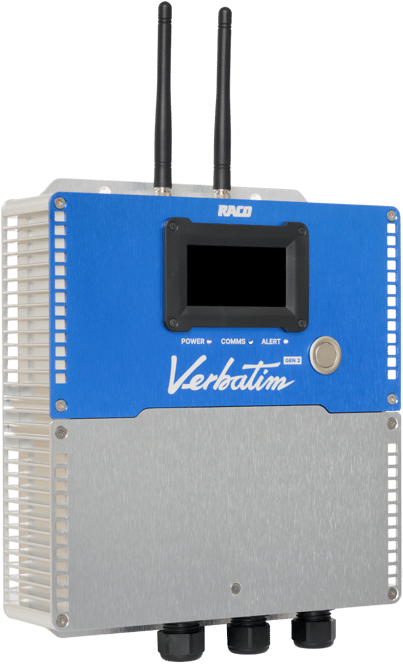
RTUs are microprocessor-controlled electronic devices that interface with physical equipment. They collect data from sensors and equipment, converting analog signals into digital data that the SCADA system can process.
2. Programmable Logic Controllers (PLCs)
PLCs are industrial computers that control manufacturing processes and equipment. They execute programmed instructions and provide real-time control capabilities within the SCADA system.
3. Human-Machine Interface (HMI)
The HMI provides operators with a visual representation of the industrial process. Through this interface, operators can monitor system status, acknowledge alarms, and make operational adjustments.
4. Communication Infrastructure
A robust communication network enables data transfer between field devices and the central control system. This can include various protocols and technologies, from traditional serial connections to modern ethernet and wireless systems.
Benefits of Implementing a SCADA System
| Benefit | Impact |
|---|---|
| Improved Efficiency | Automation reduces manual intervention and optimizes processes |
| Enhanced Safety | Real-time monitoring and alerts prevent accidents and equipment damage |
| Cost Reduction | Optimized operations lead to reduced labor and maintenance costs |
| Better Decision Making | Data-driven insights enable informed operational decisions |
SCADA Applications Across Industries
SCADA systems find applications across numerous industries, each with unique requirements and challenges:
Water and Wastewater Management
In water treatment facilities, SCADA systems monitor water quality, control treatment processes, and manage distribution networks. They ensure compliance with regulatory requirements while optimizing resource usage.
Manufacturing
Manufacturing operations use SCADA systems to control production lines, monitor equipment performance, and maintain quality standards. This results in improved productivity and reduced downtime.
Energy Management
Power generation and distribution facilities rely on SCADA systems to monitor grid performance, manage power flow, and respond to outages quickly.
Modern SCADA System Trends
The evolution of SCADA systems continues with several emerging trends:
Cloud Integration
Modern SCADA systems increasingly leverage cloud computing for enhanced scalability, accessibility, and data storage capabilities. This enables remote monitoring and control from anywhere with internet access.
Industrial Internet of Things (IIoT)
Integration with IIoT devices expands the capabilities of SCADA systems, providing more detailed data collection and analysis opportunities.
Cybersecurity Measures
As systems become more connected, robust cybersecurity measures are being implemented to protect against potential threats and ensure system integrity.
Choosing the Right SCADA System
When selecting a SCADA system for your operation, consider these crucial factors:
Scalability
Choose a system that can grow with your operations and accommodate future expansion needs.
Integration Capabilities
Ensure the system can integrate with your existing equipment and software platforms.
Support and Maintenance
Consider the availability of technical support and the ease of system maintenance.
Best Practices for SCADA Implementation
To maximize the benefits of your SCADA system:
- Conduct thorough needs assessment before implementation
- Invest in proper training for operators and maintenance staff
- Establish clear security protocols and backup procedures
- Regular system updates and maintenance schedules
- Document all procedures and system modifications
Conclusion
SCADA systems are essential tools for modern industrial operations, providing the visibility, control, and efficiency needed in today's competitive environment. By understanding their components, benefits, and implementation best practices, organizations can make informed decisions about adopting or upgrading their SCADA systems.
For expert guidance on implementing or upgrading your SCADA system, contact RACO Manufacturing & Engineering. Our team of specialists can help you design and implement a solution that meets your specific operational needs.