


What Is Sediment? A Comprehensive Guide to Sediment in Wastewater Treatment


What Is Sediment? A Comprehensive Guide to Sediment in Wastewater Treatment
In wastewater treatment operations, understanding sediment is crucial for maintaining efficient systems and meeting environmental regulations. As experts in wastewater monitoring and alarm systems, we frequently encounter questions about sediment management and its impact on treatment processes. This comprehensive guide will explain everything you need to know about sediment, its types, and its significance in wastewater treatment.
Understanding Sediment: Basic Definition and Composition
Sediment consists of solid particles that settle at the bottom of a liquid. In wastewater treatment, sediment typically includes:
| Sediment Type | Description | Common Sources |
|---|---|---|
| Organic Matter | Decomposed plant and animal material | Food waste, biological waste |
| Inorganic Particles | Mineral-based materials | Sand, silt, clay |
| Chemical Precipitates | Formed through chemical reactions | Metal oxides, calcium deposits |
The Role of Sediment in Wastewater Treatment
Sediment plays a crucial role in wastewater treatment processes. Understanding its behavior helps treatment plant operators optimize their systems for better efficiency. Here are the key aspects of sediment in treatment:
Primary Treatment
During primary treatment, heavier sediments naturally settle in primary clarifiers. This gravitational separation is fundamental to removing approximately 60-70% of suspended solids. Proper monitoring of this process is essential, which is where RACO's Verbatim alarm monitoring systems prove invaluable.
Secondary Treatment
In secondary treatment, biological processes create new sediment in the form of bacterial flocs. These microorganisms consume organic matter and form settleable solids that are later removed in secondary clarifiers.
Common Sediment-Related Challenges in Wastewater Treatment
Treatment plant operators face several challenges related to sediment management:
1. Equipment Wear and Tear
Abrasive sediments can cause significant wear on pumps, valves, and other equipment. Regular monitoring and maintenance are essential to prevent costly repairs and system failures. RACO's alarm systems can help detect unusual equipment behavior before major problems develop.
2. Storage and Disposal
Facilities must properly store and dispose of removed sediment, often in the form of sludge. This requires careful planning and compliance with environmental regulations.
3. Variable Sediment Loads
Treatment plants must handle varying sediment loads, especially during storm events or seasonal changes. Advanced monitoring systems help operators adjust treatment processes accordingly.
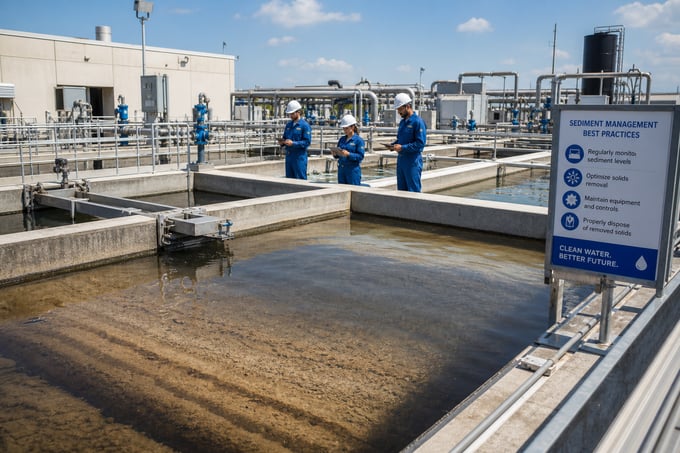
Best Practices for Sediment Management
Effective sediment management requires a comprehensive approach:
| Management Area | Best Practice | Benefits |
|---|---|---|
| Monitoring | Install automated monitoring systems | Early detection of issues, improved process control |
| Prevention | Implement pre-treatment programs | Reduced equipment wear, lower maintenance costs |
| Control | Optimize settling processes | Better treatment efficiency, reduced energy costs |
Advanced Sediment Monitoring Solutions
Modern wastewater treatment facilities rely on sophisticated monitoring systems to manage sediment effectively. RACO's monitoring solutions offer several advantages:
- Real-time sediment level monitoring
- Automated alarm notifications
- Remote system access and control
- Data logging and trend analysis
Environmental Impact and Regulatory Compliance
Proper sediment management is crucial for environmental protection and regulatory compliance. Treatment facilities must:
- Meet effluent quality standards
- Prevent sediment discharge to natural water bodies
- Maintain detailed records of sediment handling and disposal
Future Trends in Sediment Management
The wastewater treatment industry continues to evolve, with new technologies and approaches for sediment management emerging:
1. Advanced Monitoring Technologies
Integration of IoT sensors and real-time monitoring systems, like RACO's advanced alarm solutions, provides better control and optimization of sediment removal processes.
2. Sustainable Disposal Methods
New approaches to sediment reuse and recycling are being developed, including applications in agriculture and construction materials.
Conclusion
Understanding what sediment is and how to manage it effectively is crucial for wastewater treatment operations. By implementing proper monitoring systems and following best practices, facilities can optimize their treatment processes while maintaining regulatory compliance. RACO Manufacturing & Engineering continues to lead the way in providing innovative solutions for sediment monitoring and control in wastewater treatment facilities.
Recommended Internal Links:
- Wastewater Treatment Monitoring Systems
- Alarm Systems for Water Treatment
- Remote Monitoring Solutions
- Industrial Automation Controls


