

What Is a Lift Station? A Comprehensive Guide to Wastewater Management Systems


What Is a Lift Station? A Comprehensive Guide to Wastewater Management Systems
If you're involved in municipal water management, property development, or industrial operations, understanding lift stations is crucial for effective wastewater management. A lift station, also known as a pump station, is an essential component of wastewater infrastructure that helps move sewage from lower to higher elevations. In this comprehensive guide, we'll explore everything you need to know about lift stations, their components, and their critical role in maintaining public health and environmental safety.
Understanding the Basics: What Is a Lift Station?
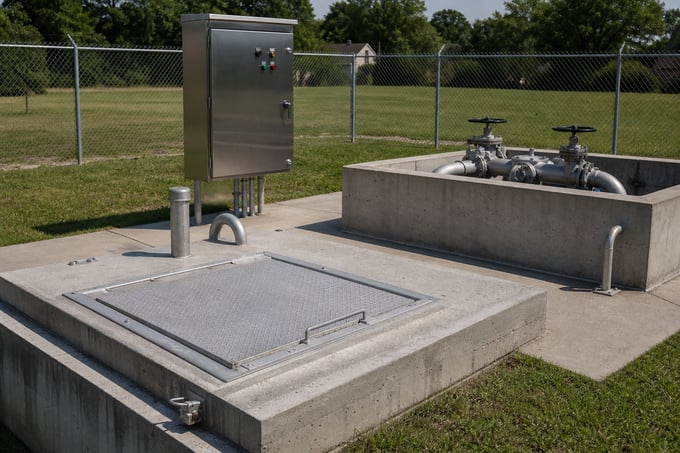
A lift station is an engineered pumping facility designed to move wastewater from a lower elevation to a higher elevation when gravity flow is not possible. These stations are crucial in areas where the topography doesn't allow for natural gravitational flow or where the cost of deep sewer installations would be prohibitive.
Think of a lift station as an elevator for wastewater. Just as an elevator moves people up through a building, a lift station moves wastewater up to a point where it can continue its journey to the treatment facility through gravity-fed pipes.
Key Components of a Lift Station
A modern lift station consists of several critical components working together to ensure efficient operation:
1. Wet Well
The wet well is a concrete or fiberglass basin that serves as a holding tank for incoming wastewater. This component: - Collects wastewater from incoming gravity lines - Provides storage capacity during peak flows - Houses the submersible pumps - Contains level sensors for pump control
2. Pumps
Typically, lift stations employ two or more pumps for redundancy and increased capacity. Common pump types include: - Submersible pumps (most common) - Dry pit pumps - Self-priming pumps
3. Control System
The control system is the brain of the lift station, managing pump operation and monitoring system status. Modern control systems include: - Programmable Logic Controllers (PLCs) - Human-Machine Interface (HMI) - Remote monitoring capabilities - Alarm systems
Types of Lift Stations
| Type | Description | Best Application |
|---|---|---|
| Submersible | Pumps submerged in wet well | Small to medium installations |
| Dry Pit/Wet Pit | Separate chambers for pumps and wastewater | Large municipal systems |
| Package | Pre-engineered, complete systems | Residential and small commercial |
The Importance of Lift Station Monitoring
Effective monitoring is crucial for maintaining lift station performance and preventing environmental disasters. Modern monitoring systems should include:
Essential Monitoring Parameters
- Pump status and runtime - Wet well levels - Flow rates - Power consumption - Alarm conditions - Equipment temperature - Backup power status
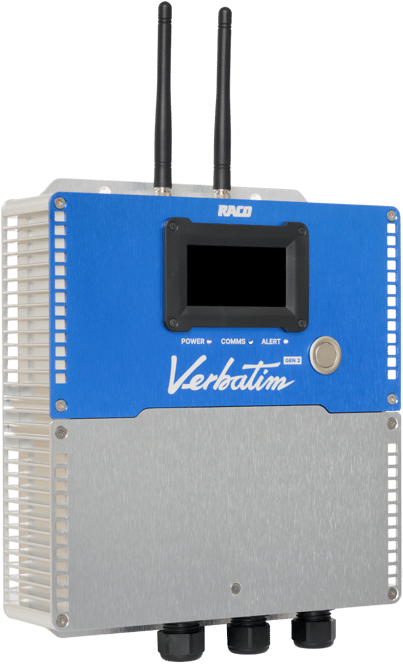
RACO Manufacturing's Verbatim Gateway system provides comprehensive monitoring solutions specifically designed for lift stations. This advanced system enables:
- Real-time status monitoring
- Immediate alarm notification
- Remote control capabilities
- Data logging and trending
- Integration with existing SCADA systems
Common Lift Station Challenges and Solutions
Understanding common challenges helps operators maintain efficient lift station operation:
1. Pump Clogging
Caused by debris and non-flushable materials, pump clogging can be addressed through: - Regular maintenance schedules - Installation of grinders or screens - Modern pump designs with anti-clog features
2. Power Failures
Power interruptions can lead to system failures. Solutions include: - Backup generator systems - Automatic transfer switches - Battery backup for control systems
3. Overflow Events
Preventing overflows requires: - Proper sizing of wet wells - Redundant pump systems - Advanced monitoring and alarm systems - Regular maintenance and testing
Best Practices for Lift Station Management
To ensure optimal lift station performance:
1. Implement Preventive Maintenance
- Schedule regular inspections - Clean wet wells periodically - Test backup systems - Calibrate monitoring equipment
2. Utilize Remote Monitoring
- Install advanced monitoring systems - Configure alarm notifications - Regularly review performance data - Update control software
3. Train Personnel
- Provide comprehensive operator training - Document maintenance procedures - Conduct emergency response drills - Keep up with industry regulations
The Future of Lift Station Technology
The wastewater industry is evolving with new technologies and approaches:
Emerging Trends
- Smart sensors and IoT integration - Energy-efficient pump systems - Advanced analytics for predictive maintenance - Cloud-based monitoring platforms - Sustainable design practices
Conclusion
Lift stations are critical infrastructure components that require careful design, monitoring, and maintenance. Understanding what a lift station is and how it functions is essential for anyone involved in wastewater management. With proper monitoring systems like RACO's Verbatim Gateway, operators can ensure reliable operation while protecting public health and the environment.
Recommended Internal Links:
- Wastewater monitoring systems - SCADA integration - Remote alarm monitoring - Pump station controls - Industrial automation solutions