




Wireless Humidity Sensors: The Complete Guide for Industrial Applications
In today's industrial landscape, maintaining optimal humidity levels is crucial for equipment performance, product quality, and regulatory compliance. Wireless humidity sensors have revolutionized how facilities monitor and control moisture levels, offering unprecedented flexibility and real-time data access. This comprehensive guide explores everything you need to know about wireless humidity sensors and their industrial applications.
Understanding Wireless Humidity Sensors
A wireless humidity sensor is a sophisticated device that measures relative humidity in the air and transmits this data wirelessly to a central monitoring system. Unlike traditional wired sensors, these modern devices offer greater installation flexibility, reduced maintenance costs, and improved scalability for industrial applications.
Key Components of Wireless Humidity Sensors
Modern wireless humidity sensors consist of several essential components:
| Component | Function |
|---|---|
| Sensing Element | Measures relative humidity through capacitive or resistive methods |
| Transmitter | Converts sensor readings into digital signals for wireless transmission |
| Power Source | Battery or energy harvesting system for autonomous operation |
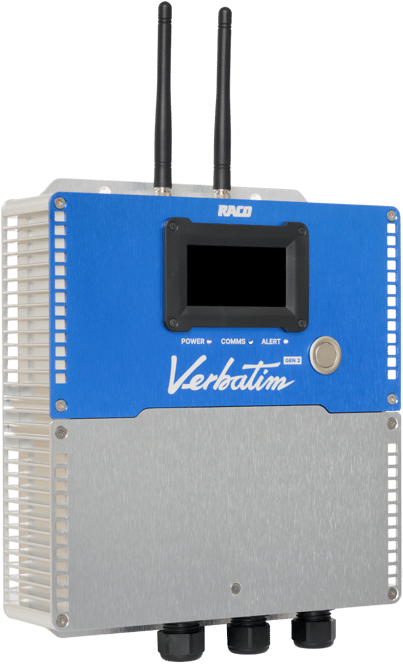
| Antenna | Enables wireless communication with the monitoring system |
Benefits of Wireless Humidity Sensors in Industrial Settings
The adoption of wireless humidity sensors offers numerous advantages for industrial facilities:
1. Enhanced Flexibility and Scalability
Wireless sensors can be easily repositioned or added to the monitoring network without the need for extensive wiring infrastructure. This flexibility allows facilities to adapt their monitoring system as operational needs change.
2. Cost-Effective Installation
By eliminating the need for complex wiring installations, wireless humidity sensors significantly reduce both initial installation costs and ongoing maintenance expenses.
3. Real-Time Monitoring and Alerts
Modern wireless humidity sensors provide instant access to environmental data and can trigger immediate alerts when conditions exceed predetermined thresholds, enabling proactive maintenance and preventing costly equipment failures.
Critical Applications for Wireless Humidity Sensors
Wastewater Treatment Facilities
In wastewater treatment plants, wireless humidity sensors play a vital role in:
- Monitoring moisture levels in processing areas - Preventing corrosion in equipment rooms - Ensuring optimal conditions for biological treatment processes - Maintaining worker safety in confined spacesManufacturing and Processing
Manufacturing facilities rely on wireless humidity sensors for:
- Quality control in production processes - Protection of moisture-sensitive materials - Compliance with industry regulations - Energy efficiency optimizationIntegration with SCADA Systems
Modern wireless humidity sensors seamlessly integrate with Supervisory Control and Data Acquisition (SCADA) systems, enabling comprehensive environmental monitoring and control. This integration provides several benefits:
| Feature | Benefit |
|---|---|
| Centralized Monitoring | Single dashboard for all environmental parameters |
| Data Logging | Historical analysis and trend identification |
| Automated Responses | Immediate system adjustments based on sensor readings |
| Remote Access | Monitor and control from anywhere with internet access |
Best Practices for Implementation
To maximize the effectiveness of wireless humidity sensors, consider these implementation guidelines:
1. Strategic Sensor Placement
Position sensors in locations that provide representative readings of the area being monitored, avoiding interference from nearby equipment or environmental factors.
2. Network Planning
Ensure proper wireless coverage throughout the facility, considering factors such as building materials, equipment interference, and distance between sensors and receivers.
3. Regular Maintenance
Implement a preventive maintenance schedule that includes:
- Battery level monitoring - Sensor calibration checks - Signal strength verification - Physical inspection of sensor componentsChoosing the Right Wireless Humidity Sensor
When selecting a wireless humidity sensor for industrial applications, consider these key factors:
| Factor | Considerations |
|---|---|
| Measurement Range | 0-100% RH capability for comprehensive monitoring |
| Accuracy | ±2-3% RH for most industrial applications |
| Battery Life | Minimum 2-year operation without replacement |
| Communication Protocol | Compatibility with existing systems (e.g., LoRaWAN, Bluetooth, WiFi) |
Future Trends in Wireless Humidity Sensing
The field of wireless humidity sensing continues to evolve with emerging technologies:
- Integration with IoT platforms for enhanced connectivity - Advanced analytics capabilities for predictive maintenance - Energy harvesting technologies for extended battery life - Improved sensor accuracy and reliabilityConclusion
Wireless humidity sensors represent a significant advancement in industrial monitoring technology, offering improved flexibility, reliability, and cost-effectiveness compared to traditional wired solutions. By understanding their capabilities and following best practices for implementation, facilities can optimize their operations and maintain optimal environmental conditions for their processes.
For expert guidance on implementing wireless humidity sensors in your facility, contact RACO Manufacturing & Engineering. Our team of specialists can help you design and deploy a comprehensive monitoring solution tailored to your specific needs.