


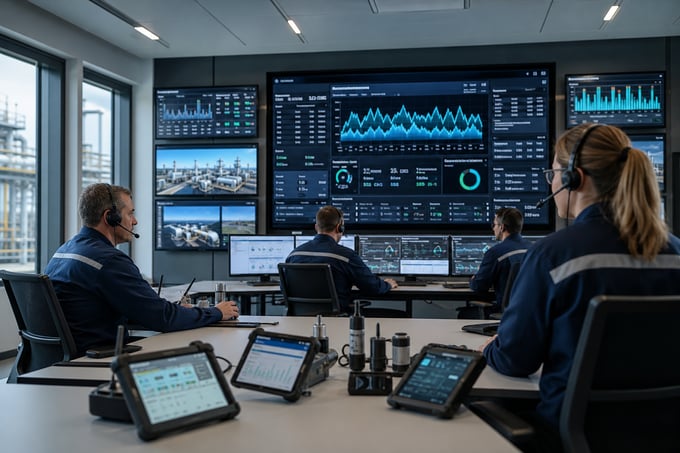
Wireless Monitoring Systems: The Complete Guide to Remote Industrial Automation


Wireless Monitoring Systems: The Complete Guide to Remote Industrial Automation
In today's fast-paced industrial environment, wireless monitoring has become an indispensable tool for maintaining operational efficiency and ensuring system reliability. As facilities grow more complex and the demand for real-time data increases, traditional wired monitoring systems are giving way to more flexible, cost-effective wireless solutions. This comprehensive guide explores everything you need to know about wireless monitoring systems and their transformative impact on industrial operations.
Understanding Wireless Monitoring: The Fundamentals
Wireless monitoring systems are sophisticated networks of sensors, transmitters, and receivers that collect and transmit data without physical cable connections. These systems revolutionize how industries monitor their equipment, processes, and environmental conditions by providing real-time insights without the limitations of traditional wired setups.
Key Components of Wireless Monitoring Systems
| Component | Function |
|---|---|
| Sensors | Detect and measure physical parameters (temperature, pressure, flow, etc.) |
| Transmitters | Convert sensor data into wireless signals |
| Receivers/Gateways | Collect wireless signals and relay to central systems |
| Control Software | Process and analyze data, generate alerts |
Benefits of Implementing Wireless Monitoring Solutions
The adoption of wireless monitoring systems offers numerous advantages over traditional wired solutions:
Cost Efficiency
Wireless monitoring systems significantly reduce installation and maintenance costs by eliminating the need for extensive cabling infrastructure. This benefit is particularly pronounced in large facilities or remote locations where cable installation would be prohibitively expensive.
Flexibility and Scalability
These systems allow for easy expansion and reconfiguration without the physical constraints of wired solutions. New sensors can be added or relocated quickly to accommodate changing monitoring needs.
Remote Access and Control
Modern wireless monitoring solutions enable operators to access real-time data and control systems from anywhere with internet connectivity, enhancing operational efficiency and response times.
Applications Across Industries
Water and Wastewater Management
In water treatment facilities, wireless monitoring systems play a crucial role in maintaining optimal operations. These systems monitor pump stations, track water levels, measure flow rates, and detect potential issues before they become critical problems. The RACO Catalyst system, for example, provides comprehensive monitoring solutions specifically designed for water and wastewater applications.
Manufacturing and Production
Manufacturing facilities utilize wireless monitoring to track equipment performance, maintain quality control, and ensure efficient production processes. Real-time data collection enables predictive maintenance and reduces downtime.
Environmental Monitoring
From air quality to temperature control, wireless monitoring systems help facilities maintain optimal environmental conditions while ensuring compliance with regulatory requirements.
Best Practices for Implementation
Network Security Considerations
When implementing wireless monitoring systems, security should be a top priority. Consider these essential security measures:
- Encryption protocols for data transmission
- Regular security audits and updates
- Access control and authentication systems
- Network segmentation for critical systems
System Integration Strategies
Successful implementation requires careful planning and integration with existing systems. Consider factors such as:
| Integration Aspect | Consideration |
|---|---|
| Data Management | How will collected data be stored and analyzed? |
| Alert Systems | What notification protocols will be implemented? |
| Backup Systems | What redundancy measures are in place? |
Future Trends in Wireless Monitoring
The wireless monitoring industry continues to evolve with emerging technologies:
IoT Integration
The Internet of Things (IoT) is revolutionizing wireless monitoring by enabling more sophisticated data collection and analysis capabilities. This integration allows for more intelligent decision-making and automated responses to changing conditions.
AI and Machine Learning
Advanced analytics powered by artificial intelligence and machine learning are enhancing the predictive capabilities of wireless monitoring systems, enabling more proactive maintenance and operational optimization.
Choosing the Right Wireless Monitoring Solution
When selecting a wireless monitoring system, consider these crucial factors:
Range Requirements
Determine the coverage area needed for your application. Different wireless technologies offer varying range capabilities, from short-range Bluetooth to long-range cellular solutions.
Power Requirements
Consider the power needs of your monitoring system, including battery life for remote sensors and backup power requirements for critical applications.
Environmental Conditions
Ensure the selected system can withstand the specific environmental challenges of your application, such as temperature extremes, moisture, or electromagnetic interference.
Conclusion
Wireless monitoring systems represent a significant advancement in industrial automation and control. By providing real-time data access, improved operational efficiency, and reduced maintenance costs, these systems are becoming increasingly essential for modern industrial operations. As technology continues to evolve, the capabilities and applications of wireless monitoring will only expand, making it a crucial investment for forward-thinking organizations.
For more information about implementing wireless monitoring solutions in your facility, contact RACO Manufacturing & Engineering's expert team or explore our comprehensive range of monitoring solutions.


