

Wireless Temperature Probe Systems: The Complete Guide to Remote Temperature Monitoring


Wireless Temperature Probe Systems: The Complete Guide to Remote Temperature Monitoring
Temperature monitoring is critical across numerous industries, from wastewater treatment to pharmaceutical manufacturing. Traditional wired systems can be costly to install and maintain, leading many facilities to adopt wireless temperature probe solutions. This comprehensive guide explores everything you need to know about wireless temperature probes, their applications, and how to choose the right system for your needs.
What is a Wireless Temperature Probe?
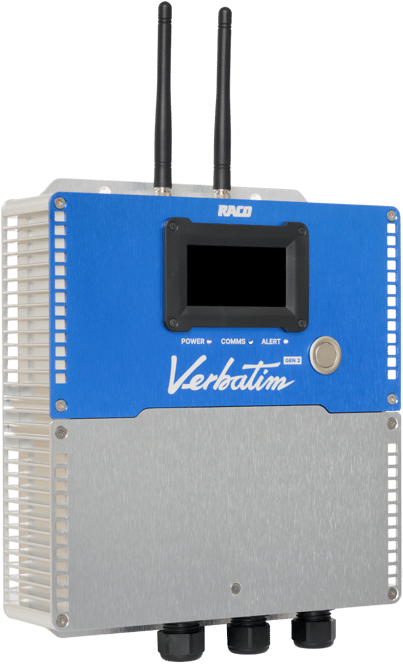
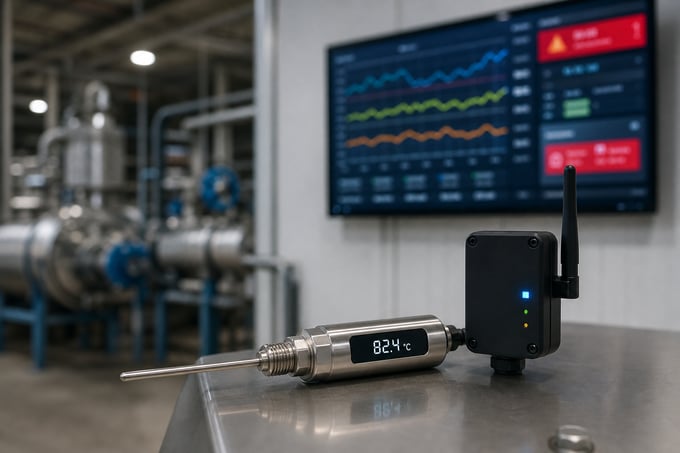
A wireless temperature probe is a sophisticated monitoring device that measures temperature and transmits data without physical cable connections. These systems typically consist of three main components:
| Component | Function |
|---|---|
| Sensor Probe | Measures temperature at the point of contact |
| Transmitter | Converts and sends temperature data wirelessly |
| Receiver/Gateway | Collects data and interfaces with monitoring systems |
Key Benefits of Wireless Temperature Probes
Modern wireless temperature monitoring systems offer several advantages over traditional wired solutions:
1. Cost-Effective Installation
Eliminating the need for extensive wiring reduces installation costs by up to 80% compared to traditional systems. This is particularly beneficial in large facilities or areas where running cables would be challenging or cost-prohibitive.
2. Flexibility and Scalability
Wireless systems can be easily expanded or reconfigured without the constraints of physical wiring. This flexibility allows facilities to adapt their monitoring system as needs change.
3. Remote Monitoring Capabilities
Modern wireless temperature probes integrate with cloud-based monitoring platforms, enabling real-time access to temperature data from anywhere with an internet connection. This capability is crucial for maintaining regulatory compliance and ensuring process efficiency.
Applications Across Industries
Wastewater Treatment
In wastewater treatment facilities, wireless temperature probes play a crucial role in monitoring:
- Digester temperatures - Chemical reaction processes - Equipment operating conditions - Effluent temperature complianceIndustrial Manufacturing
Manufacturing facilities utilize wireless temperature probes for:
- Process control - Equipment monitoring - Product quality assurance - Environmental monitoringTechnical Considerations for Wireless Temperature Probe Selection
| Feature | Importance | Considerations |
|---|---|---|
| Measurement Range | Critical | -200°C to +1000°C typical range |
| Accuracy | High | ±0.1°C to ±1°C depending on application |
| Battery Life | Important | 1-5 years typical |
| Transmission Range | Variable | 100-1000m line of sight |
Integration with SCADA Systems
Modern wireless temperature probes can seamlessly integrate with Supervisory Control and Data Acquisition (SCADA) systems. This integration provides several benefits:
1. Centralized Monitoring
Temperature data can be monitored alongside other process variables in a single interface, improving operational efficiency and decision-making.
2. Automated Alerts
SCADA integration enables automated alerting when temperature readings fall outside predetermined ranges, allowing for quick response to potential issues.
3. Data Analysis
Historical temperature data can be analyzed to identify trends, optimize processes, and predict maintenance needs.
Best Practices for Implementation
To ensure successful deployment of wireless temperature probe systems:
1. Site Survey
Conduct a thorough site survey to identify potential interference sources and optimal probe placement locations. Consider factors such as:
- Physical obstacles - Electronic interference sources - Environmental conditions - Power source availability2. Redundancy Planning
Implement redundant monitoring where critical processes are involved. This might include:
- Backup power supplies - Multiple transmission paths - Secondary monitoring systemsMaintenance and Calibration
Regular maintenance ensures reliable operation and accurate measurements:
| Maintenance Task | Frequency | Purpose |
|---|---|---|
| Calibration | Annual | Ensure measurement accuracy |
| Battery Check | Quarterly | Prevent unexpected power loss |
| Signal Strength Test | Monthly | Verify reliable communication |
Future Trends in Wireless Temperature Monitoring
The wireless temperature probe industry continues to evolve with emerging technologies:
1. IoT Integration
Integration with Internet of Things (IoT) platforms is becoming standard, enabling more sophisticated data analysis and predictive maintenance capabilities.
2. Enhanced Battery Life
New power management technologies are extending battery life to 10+ years in some applications.
3. Advanced Analytics
Machine learning algorithms are being incorporated to provide predictive insights and automated optimization recommendations.