

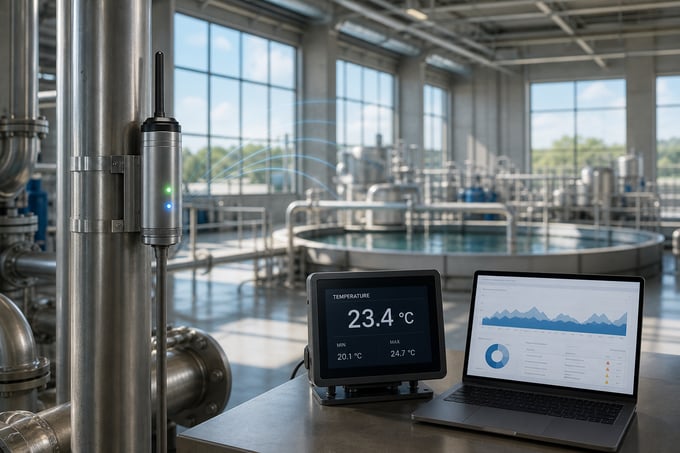
Wireless Temperature Sensors: The Complete Guide to Industrial Monitoring Solutions


Wireless Temperature Sensors: The Complete Guide to Industrial Monitoring Solutions
Temperature monitoring remains a critical component of industrial processes, particularly in water and wastewater treatment facilities. The evolution from traditional wired sensors to wireless temperature sensors has revolutionized how facilities manage their operations. This comprehensive guide explores everything you need to know about wireless temperature sensors and their transformative impact on industrial monitoring.
Understanding Wireless Temperature Sensors
Wireless temperature sensors are sophisticated devices that measure temperature and transmit data without physical connections. These sensors combine temperature-sensing elements with wireless communication technology, enabling remote monitoring and real-time data collection. Unlike their wired counterparts, wireless sensors offer unprecedented flexibility in deployment and maintenance.
Key Components of Wireless Temperature Sensors
A typical wireless temperature sensor consists of:
| Component | Function |
|---|---|
| Sensing Element | Measures actual temperature (typically thermistor or RTD) |
| Transmitter | Converts and sends temperature data wirelessly |
| Power Source | Battery or energy harvesting system |
| Processing Unit | Manages data collection and transmission |
Benefits of Wireless Temperature Monitoring
The adoption of wireless temperature sensors brings numerous advantages to industrial applications:
1. Enhanced Flexibility and Scalability
Wireless sensors can be installed in locations where running cables would be impractical or impossible. This flexibility allows facilities to expand their monitoring capabilities without significant infrastructure modifications. For instance, a wastewater treatment plant can easily add sensors to monitor multiple treatment stages without disrupting existing operations.
2. Cost-Effective Implementation
While the initial investment in wireless technology might be higher, the total cost of ownership is often lower due to:
- Reduced installation costs (no cable runs required) - Minimal maintenance requirements - Lower labor costs for system expansion - Decreased downtime during installation3. Real-Time Data Access
Modern wireless temperature sensors integrate seamlessly with SCADA systems and cloud platforms, providing immediate access to critical temperature data. This real-time monitoring capability enables operators to:
- Detect process anomalies instantly - Implement predictive maintenance strategies - Optimize process efficiency - Ensure regulatory complianceApplications in Water and Wastewater Treatment
Wireless temperature sensors play crucial roles in various aspects of water and wastewater treatment:
Digester Temperature Monitoring
Anaerobic digesters require precise temperature control for optimal bacterial activity. Wireless sensors provide continuous monitoring of digester temperatures, ensuring optimal conditions for biogas production and waste breakdown.
Process Control and Optimization
Temperature data from wireless sensors helps optimize chemical treatment processes, biological reactions, and overall plant efficiency. For example, monitoring temperature in aeration basins helps maintain ideal conditions for biological treatment processes.
Integration with Alarm Systems
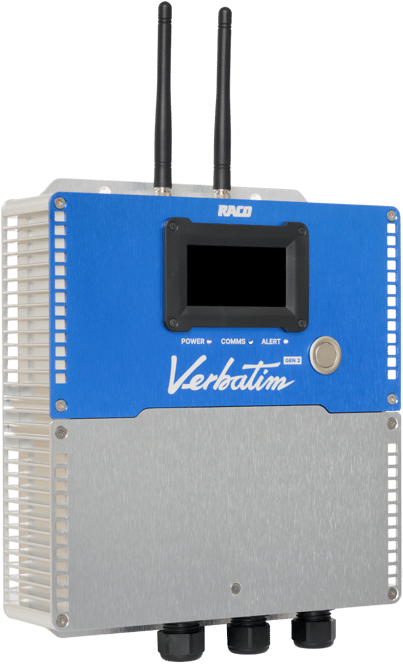
One of the most valuable aspects of wireless temperature sensors is their ability to integrate with advanced alarm systems. RACO Manufacturing & Engineering's AlarmAgent® system, for instance, can receive data from wireless temperature sensors and provide immediate notification when temperatures exceed predetermined thresholds.
Critical Features of Temperature Monitoring Alarms
| Feature | Benefit |
|---|---|
| 24/7 Monitoring | Continuous protection against temperature-related issues |
| Multiple Notification Methods | Ensures alerts reach appropriate personnel via phone, email, or text |
| Customizable Thresholds | Allows for process-specific temperature limits |
| Data Logging | Maintains historical records for analysis and compliance |
Best Practices for Implementation
To maximize the effectiveness of wireless temperature sensors:
1. Proper Sensor Placement
Consider factors such as:
- Signal strength requirements - Environmental conditions - Process requirements - Maintenance accessibility2. Network Architecture Planning
Design your wireless network to ensure:
- Adequate coverage throughout the facility - Redundancy for critical measurements - Secure data transmission - Integration with existing systemsFuture Trends in Wireless Temperature Monitoring
The field of wireless temperature sensing continues to evolve with emerging technologies:
IoT Integration
The Internet of Things (IoT) is enabling more sophisticated monitoring solutions, with sensors becoming part of larger, interconnected systems. This integration allows for more comprehensive data analysis and improved decision-making capabilities.
Advanced Analytics
Machine learning and artificial intelligence are being incorporated into temperature monitoring systems, enabling predictive maintenance and automated process optimization.
Conclusion
Wireless temperature sensors represent a significant advancement in industrial monitoring technology. Their combination of flexibility, reliability, and real-time data capabilities makes them invaluable tools for modern water and wastewater treatment facilities. When integrated with sophisticated alarm systems like those provided by RACO Manufacturing & Engineering, these sensors create a comprehensive monitoring solution that enhances operational efficiency and ensures regulatory compliance.
For more information about implementing wireless temperature sensors in your facility or integrating them with alarm systems, contact RACO Manufacturing & Engineering's expert team.