Remote monitoring

Know what is happening at a site without standing there

Cellular and satellite RTUs that watch your pumps, tanks and process equipment and tell you the moment something is wrong. Built for water, wastewater and industrial operators who want operational awareness without the cost and complexity of a full SCADA build.

  • No SCADA project
  • Works alongside SCADA
  • Satellite alarm backup
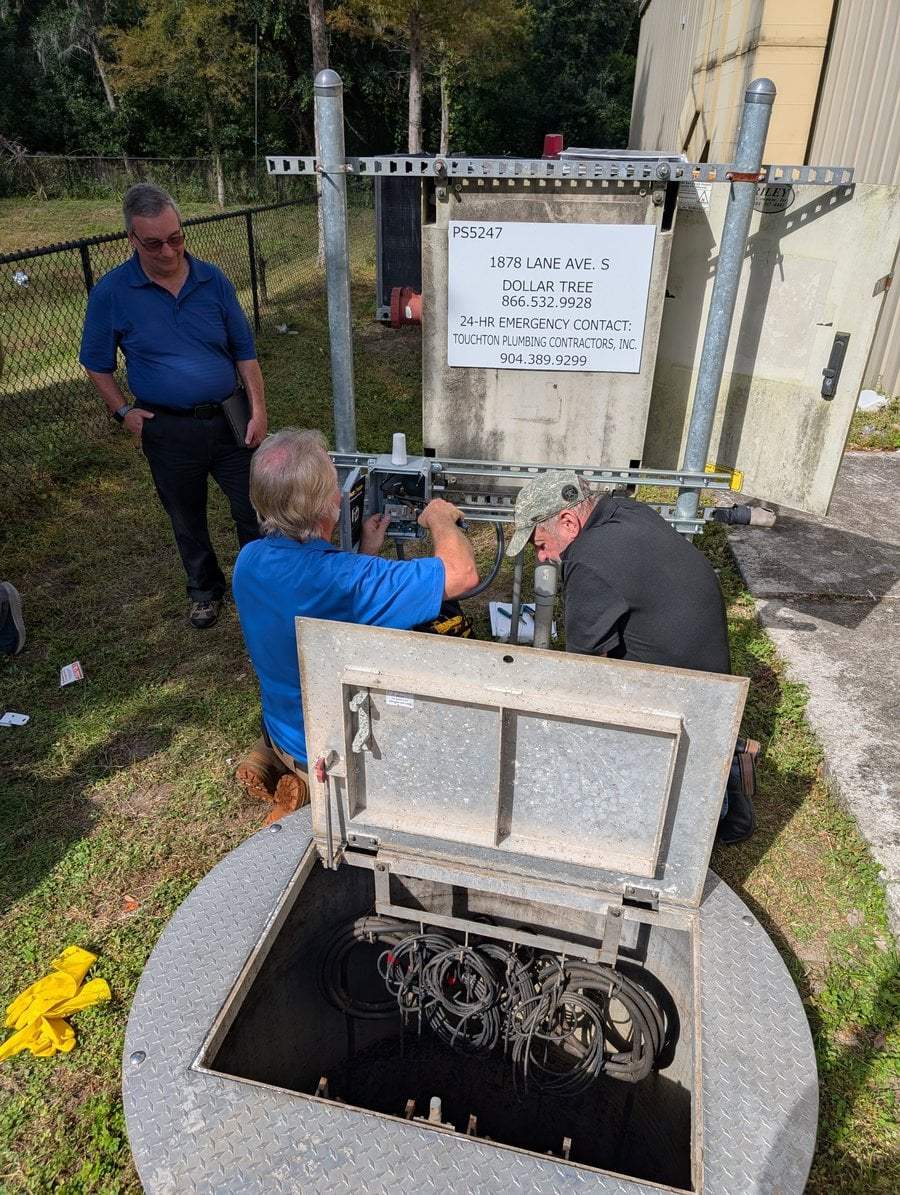
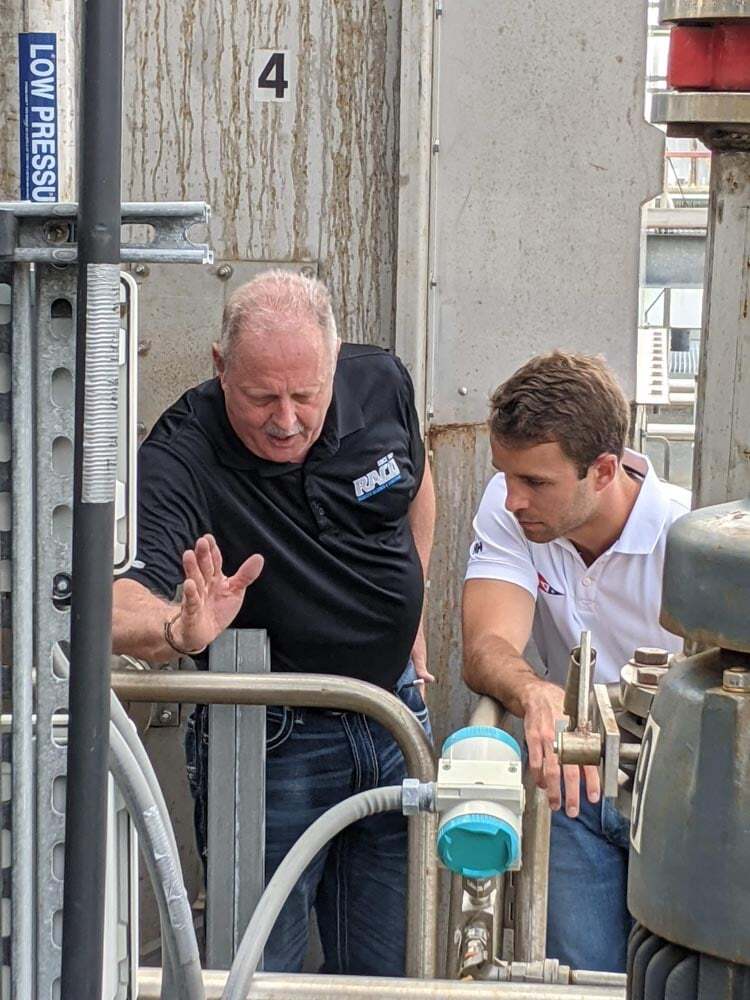
A crew working at an open lift station wet well
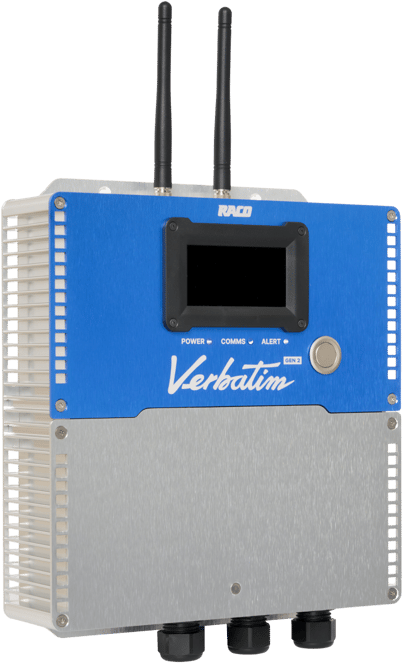
Verbatim Gen2 RTU
  • Since 1948Building alarm equipment for remote sites
  • About 70,000RACO units in the field
  • About 2 minutesThen alarms switch to satellite if cellular fails
  • 800-449-4539A person answers when you call support

The problem

The trouble starts where no one is standing

Most remote sites are unmanned. Operator rounds only show you a site on the day you visit, and a full SCADA system at every one of them would be expensive or impractical.

Rounds miss what happens in between

A drive to every site takes staff time. A pump can still fail an hour after you leave.

SCADA at every site costs too much

A SCADA buildout typically starts in the high five figures per site once you include PLC, HMI, panel, programming and integration labor.

Signals nobody can read

Many pumps already have fault contacts and a level transmitter. There is no way to see them from anywhere but the panel door.

45 minutesWhat's at stake

At one Texas resort, a failed pump means a spilling tank 45 minutes later. The drive to the site takes 30. That leaves a quarter of an hour to find the fault.

What it is

What is industrial remote monitoring?

A sensor reads a condition: level, pressure, flow, temperature, runtime or fault state. An RTU at the site decides whether that reading needs attention. The network carries the message. A person, on a phone or a dashboard, gets told what to do about it.

It is not new. Operators have been using telemetry to watch remote pump stations and tank farms since the 1980s. What is new is the cost. A modern cellular RTU and a cloud dashboard can do, for one site, what a SCADA project a decade ago took six figures and a system integrator to build.

It’s like SCADA but you don’t have to pay an arm and a leg for it.

Ernest Moreno, Senior Operator, Yancey Water Supply Corporation

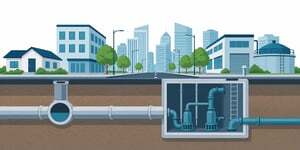
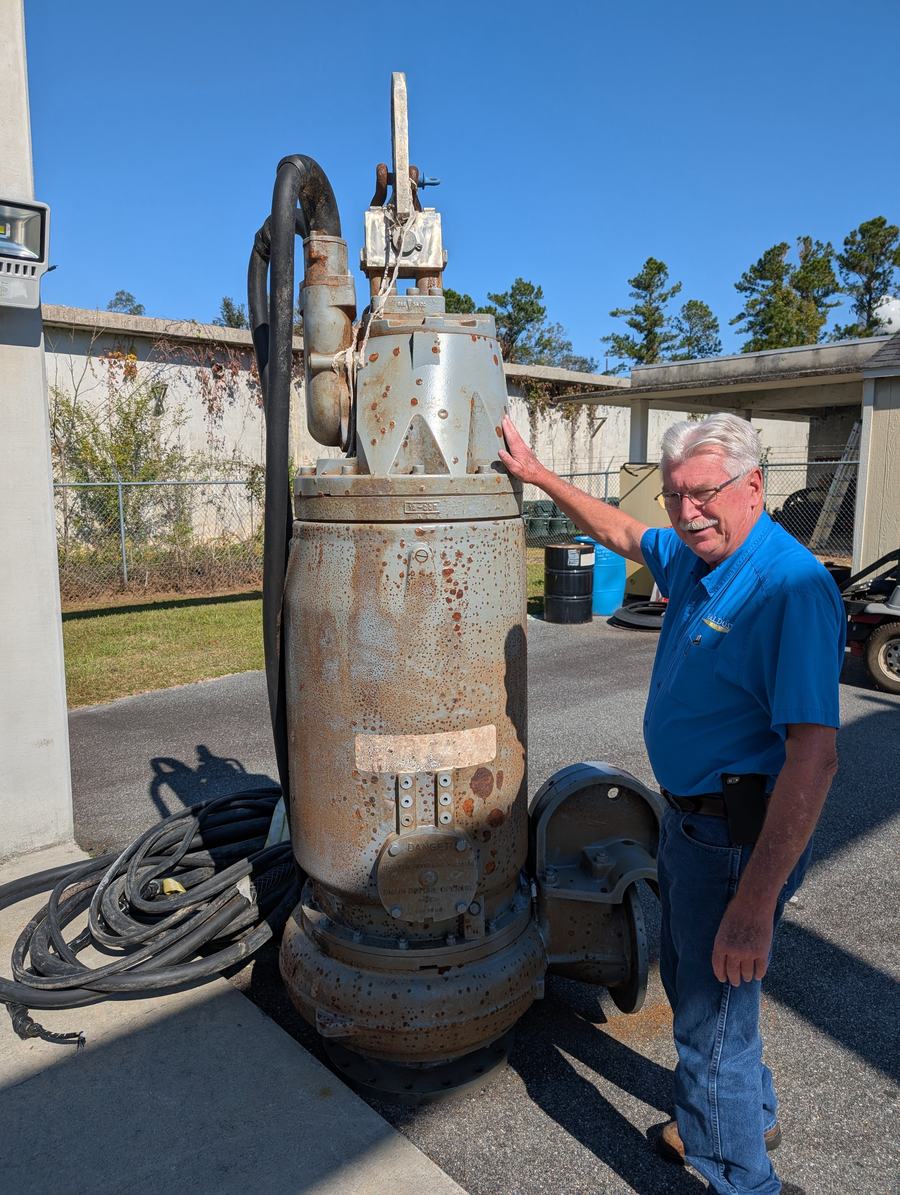
Pump station pipework

How it works

How industrial remote monitoring works

Every remote monitoring system, from a single tank gauge to a hundred-site water utility, follows the same pattern.

  1. The RTU reads the site

    Analog signals from level transmitters, pressure sensors and flow meters. Digital signals from pump fault contacts, float switches and generator status. The RTU applies its logic locally, so it keeps working when the network is down, then catches up when it comes back.

  2. The network carries the message

    Cellular is the primary path for most modern deployments. Satellite is the fallback, so a tower outage does not silence the site.

  3. A person gets told

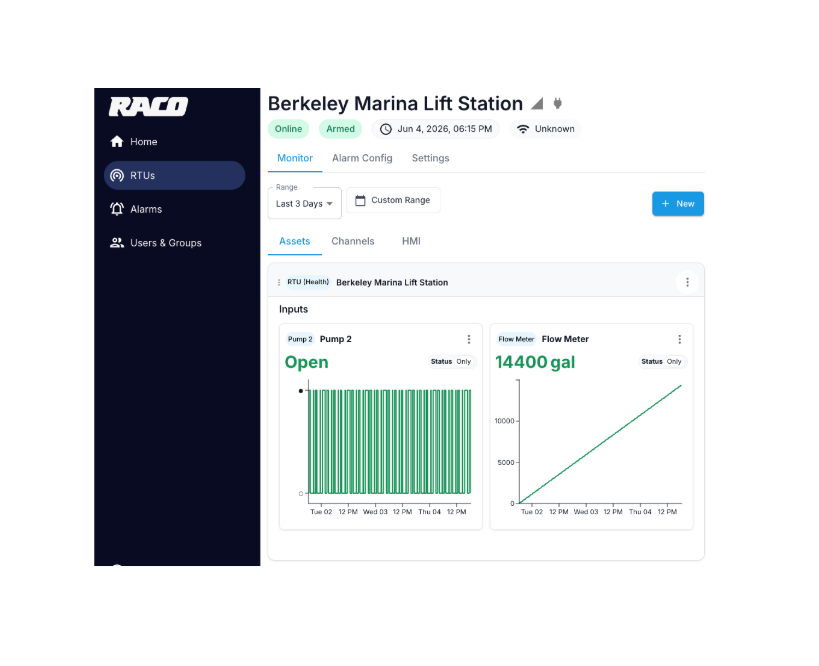
    Alarms reach the operator by voice call, text or email. The RACO Monitoring Center (RMC) shows current state, trends and alarm history, and lets the operator acknowledge the alarm.

A sensor reads, an RTU decides, a network carries and a person gets told.

SCADA or not

Is industrial remote monitoring the same as SCADA?

No, and the distinction matters because confusing them is the most common reason operators overspend on monitoring. SCADA runs the plant. Remote monitoring tells you the plant is running.

Capability SCADAIndustrial remote monitoring
Primary use Full plant control Field site awareness and alarms
Typical I/O per site Hundreds to thousands 10 to 50
Hardware PLCs, HMIs and servers Cellular RTU
Network Plant LAN, fiber Cellular, with satellite as the fallback
Installation effort Months to years Hours to days per site
Who runs it Controls engineers, integrators Operations team
Replaces SCADA? n/a No

Already run SCADA? Keep it. Many treatment plants run SCADA inside the plant and use remote monitoring for the outlying lift stations and reservoirs.

A quick test

When SCADA is overkill

You are probably better served by remote monitoring if any of these are true.

  • Fewer than 50 monitored points per site
  • No on-site control room
  • No dedicated controls engineer on staff
  • The question operators ask most is “is the site OK?”
  • You need to add a new site in a week, not a quarter
  • The budget is operating expense, not a capital project
RTU status screen in the RACO Monitoring Center RTU status screen in the RACO Monitoring Center

Where it fits

Use cases by industry

Each industry monitors a different mix, but the pattern is the same: critical asset, unmanned site, need to know.

  • Water utilities. Booster pump stations, well sites, reservoirs, PRV vaults and chlorine residual.
  • Wastewater. Lift stations are the headline use case. Remote monitoring catches the high wet well alarm before the float trips.
  • Industrial process. Tank levels, batch timers, motor runtime, compressed air and refrigeration temperatures.
  • Agriculture and irrigation. Irrigation pump pressure and runtime, well levels, soil moisture and frost alarms, far from any IT infrastructure.
  • Tanks and storage. Inventory data goes to dashboards. Level and leak alarms go to phones.
  • Pumps and motors. Often the cheapest first step: bolt-on monitoring of pumps that already have fault contacts.
  • Generators. Run status, fuel level, transfer switch state, battery and power loss.
A RACO unit installed in a pump station panel

Customer stories

One Texas operator stopped guessing

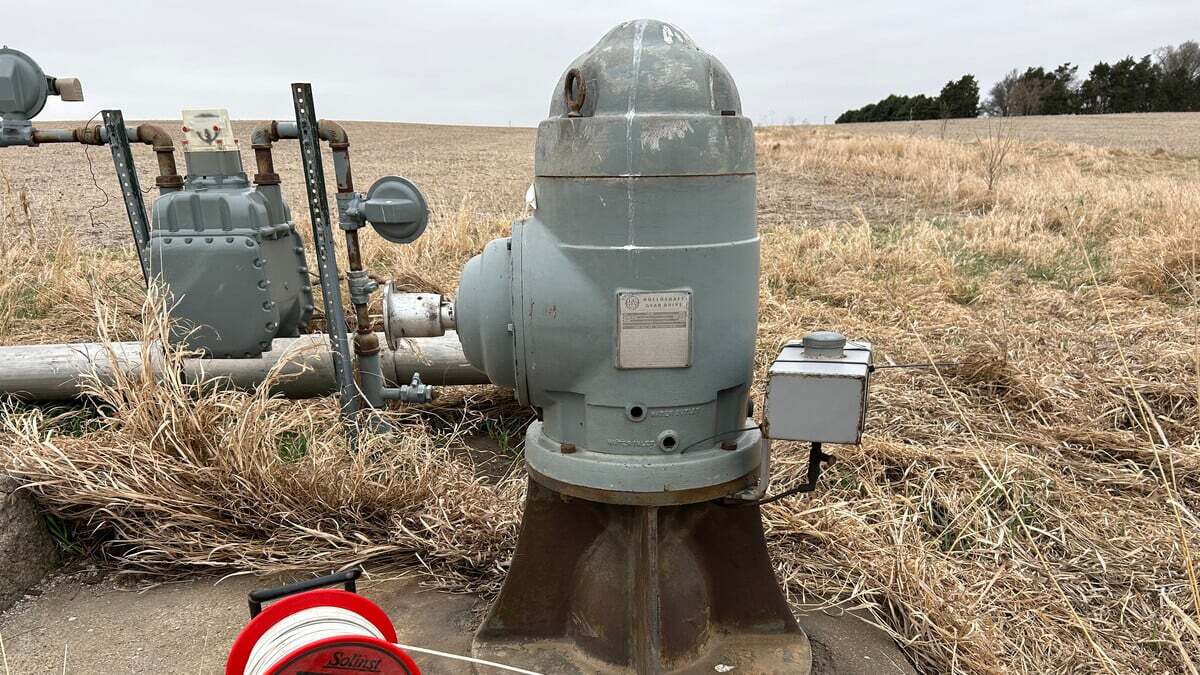
A wellhead and pump in an open field
  • Lift stations
  • Water and wastewater
  • Texas

“Not just pump failure.” How one Texas operator stopped guessing

Knowing what the problem is and not having to guess. That alarm tells me what it is. I already know what I’m going to go down to. Not just ‘pump failure.’ We’re prepared for it.

  • 5sites monitored at the Flying L
  • 45 minutesfrom a failed pump to a spilling tank
  • 1 callnow says which site, which input and what’s wrong

Great products that are simple to use and cost effective.
Ryan W.Site Leader, Veolia
Very responsive and accommodating team.
Edwin D.SCADA Network Engineer, bp
It is easy to use and to program. Very user-friendly.
John B.Branch Manager, United Rentals

FAQ

Questions buyers ask

Industrial remote monitoring is the use of field sensors, an on-site RTU and a wireless network to track equipment and process conditions at unmanned sites and send alerts when something is wrong. It is supplemental to operator rounds and to whatever local automation already exists.

No. SCADA is a full plant control platform with PLCs, HMIs and a controls team. Industrial remote monitoring is a lighter-weight approach focused on field site awareness and alarms. They are often used together: SCADA inside the plant, remote monitoring for outlying sites.

No. RACO builds RTUs, alarm dialers and the RACO Monitoring Center. RACO products work alongside a SCADA system, covering the sites SCADA does not reach, or serve a utility that does not need full SCADA. They are not a SCADA replacement.

The hardware is a one-time cost per site, and one service plan per RTU covers the cell service, hosting and data. Compare that with a SCADA site, which usually starts in the high five figures. Talk to an expert for a price for your sites.

Yes. Cellular is the most common path, and satellite is used as a fallback where cellular drops out. The site does not need wired internet.

Local logic continues to run on the RTU. On a Verbatim Gen2, alarms switch to satellite after about two minutes without cellular. The unit holds events for up to seven days and sends the oldest first when the network returns. The site keeps watching itself even when nobody else can.

Yes, and it is part of the service. One plan per RTU covers the cell service, hosting and data, so there is no carrier to choose and no SIM card to source.

In most cases, yes. Modern RTUs accept the same analog and digital signals that panel meters do. The most common retrofit is bolting an RTU onto an existing pump station panel and wiring it to fault contacts and a level transmitter that are already there.

A modern industrial RTU typically supports 10 to 50 I/O points per unit. Verbatim Gen2 takes up to 40 channels, with 12 in the current introductory offer.

Most single-site installations are completed in under a day by a qualified electrician once the unit is pre-configured. Multi-site rollouts are typically scheduled in waves of 5 to 20 sites per week, depending on travel and site readiness.

A typical RACO deployment for a mid-size water utility adding remote monitoring to a single lift station:

Day 0: Site walk, signal list, network check and cellular survey. Quote with hardware, RMC service and any installation services.

Week 1: Hardware ships. Pre-configuration is done in RMC so the unit comes online configured.

Week 2: Field install by the utility’s electrician or a RACO-authorized integrator. The unit registers with RMC.

Week 3: Operator training, notification groups, contact list and on-call rotation.

Week 4 onward: The site is live. Alarms route to phones. The dashboard is the daily check.

Industrial-grade remote monitoring systems use encrypted cellular transport, role-based access in the cloud software and segregation from plant operations networks. Ask any vendor for specifics. RACO has signed the Secure by Design pledge of the US Cybersecurity and Infrastructure Security Agency (CISA).

Consumer-grade IoT is fine for a workshop or a home. For industrial deployment, the same gear typically fails on environment (heat, cold, vibration, condensation), on network reliability and on operator workflow: a notification app is not a 24/7 escalation system.

Open-source platforms and single-board computers can monitor a tank. The hidden cost is the engineering required to maintain it: modem firmware, dashboard uptime, alarm path validation, training a backup person and support for the operator at 2 a.m. Most utilities that try this end up buying a commercial system anyway, or carrying a permanent dependency on one engineer.

Telemetry is the underlying technique: moving data from a remote sensor to a central location. Remote monitoring is the application on top of it: the alarms, the dashboards, the workflows. Telemetry is what enables monitoring. Monitoring is what an operator uses.

Across the US and Canada

Bring us one site, and we’ll show you what we’d build

When a pump fails at an unmanned site out of hours, the alarm has to reach someone. Tell us about your sites and a real person will help you scope the right setup. No SCADA project required.