Key takeaways
- An alarm is never noise: there are no false alarms coming out of the RTU, so when it calls out, dispatch sends a crew.
- Every unit checks in on its own daily, and a unit that goes quiet raises its own alarm the next morning. Nobody dials 300 autodialers to see if they’re alive.
- The units are built for the long haul: some have run in the field for more than 15 years on nothing but a battery change every 16 to 18 months.
Polk County, Florida covers 2,000 square miles of flat country between Tampa and Orlando, and Polk County Utilities serves the parts the cities don’t reach.
The utility provides drinking water and wastewater service to nearly 68,000 accounts spread around the county’s perimeter: northwest, northeast, southwest and east. That spread is the daily reality of the job. Driving from one corner of the county to the other takes an hour and a half. From the central office, almost everything is 45 minutes away.
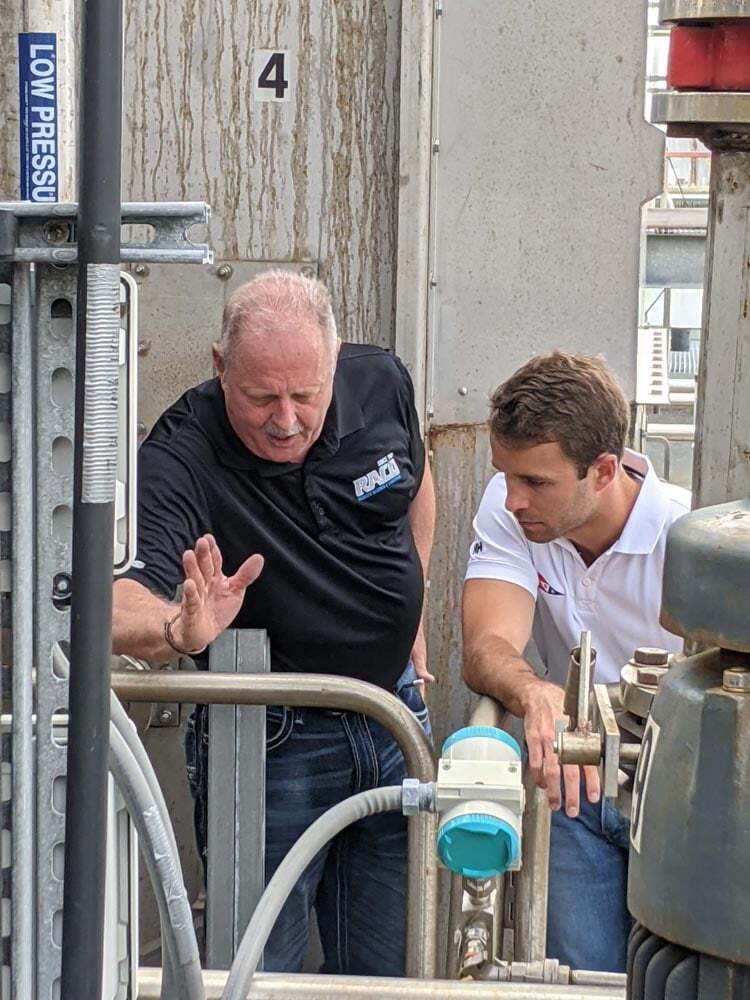
James Robinson, Polk County Utilities’ Systems Reliability Electrical Department Supervisor, has been keeping that infrastructure running since 2009, including more than 400 active lift stations. “The lift stations are so critical because it’s such a demanding environment with the pumps,” he says. A failed pump means a sewer spill, and everything the county does comes back to one job, done every day: providing safe, reliable drinking water and collecting sewage without spills.
“We have them all over the county. Do they work? Yeah, they work very well. I must admit.”
Alarms that mean it
Today, dozens of AlarmAgent units watch Polk County’s critical lift stations and water plants. The alarms go to the county’s dispatch office, where operators keep the AlarmAgent dashboard up day and night, prioritize each alarm and send the right crew: lift station techs, electricians, instrumentation techs.
What Jim values is that an alarm is never noise. “When it calls out, you’ll need to send someone. The alarms are real time,” he says. “There are no false alarms coming out of the RTU.”
The record matters too. The team runs event-log reports showing when an alarm occurred, when it was acknowledged and when the station returned to normal, plus pump starts and run hours. The morning we spoke, one such report from the weekend was sitting on his desk.
From dialing out to checking in
RACO first told Polk County’s story back in 2012.
At the time, the team was working through 300 landline autodialers that reported by exception only, so someone had to call each unit every day just to confirm it was still alive, and storm-damaged phone lines often meant the call didn’t go through.
The county’s RACO AlarmAgent RTUs reversed that. Each unit checks in on its own every day, and a unit that goes quiet raises its own alarm the next morning. “That was the difference between the dialers and the RTU,” Jim says. They don’t fail silently.
Built for the long haul
Some of Polk County’s units have been in the field for more than 15 years.
Maintenance amounts to a battery change every 16 to 18 months; most failures, Jim says, are “self-inflicted,” from having to open panels in Florida’s summer rain. “That unit will run trouble-free for many years. I don’t just say it. I know it.”
The relationship has held up the same way. Boards go in for repair and come back fast, replacements get expedited, “and even in some cases, getting them hand-delivered to me.” On one visit to the region, RACO’s Kendall Rosbury brought a spare unit down herself and stayed until it was communicating.
“There’s a lot of people over the years that say they have an equivalent. But they don’t.”
What’s next
Jim has his eye on the new generation: Verbatim Gen2
It sends alarms over cellular and switches to satellite when cellular fails. He’s weighing strategic sites for the first units, with no rush to retire the old ones. “These RTUs last quite a long time.”
His advice to a superintendent in another county weighing the decision? “I’m not a tire kicker. If you have remote monitoring requirements and you want solid, reliable communications monitoring, get the RACO RTU. You won’t go wrong.”
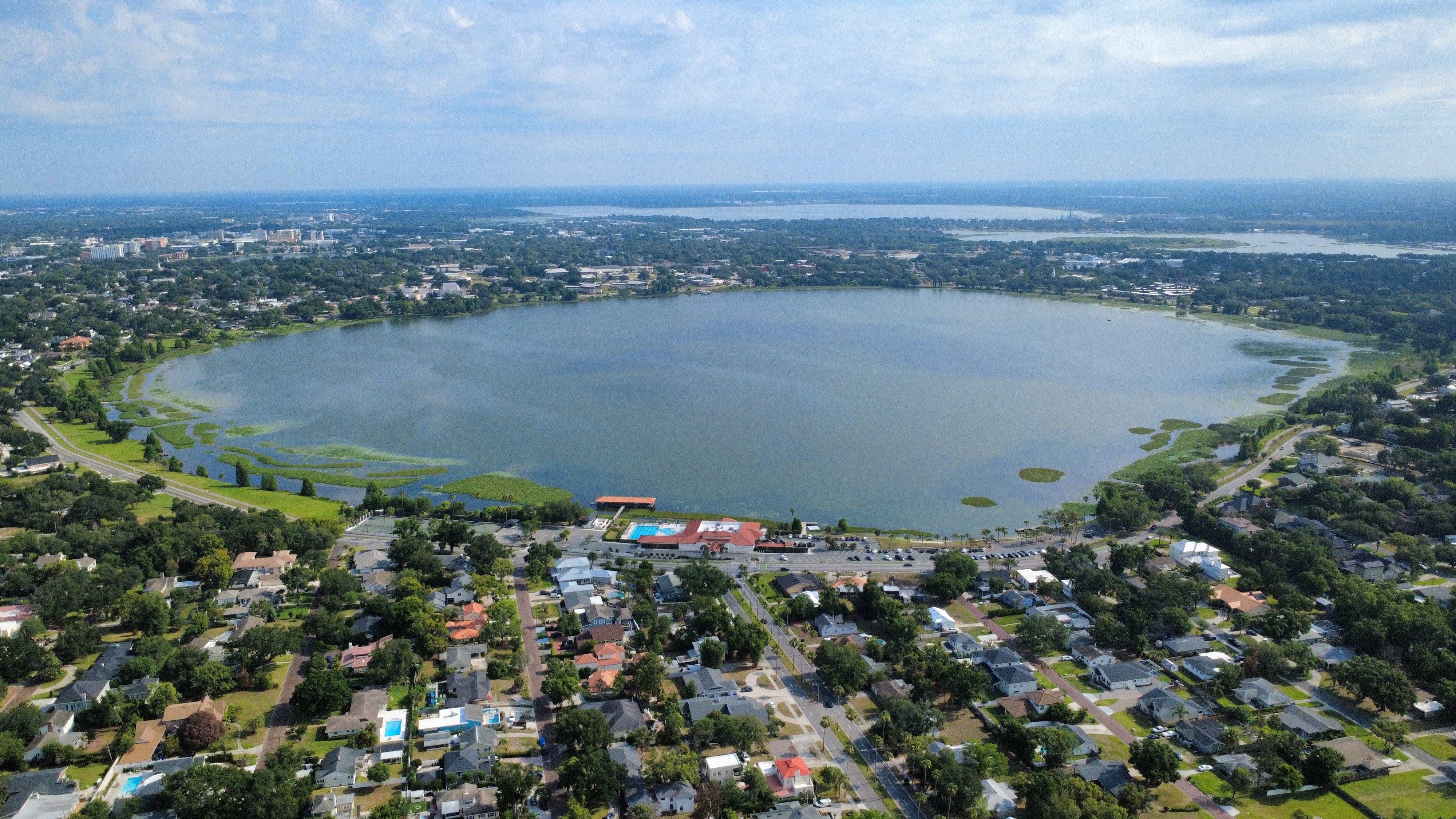
Aerial view of Lake Hollingsworth from the south, Lakeland, Florida, May 2026” by Austindmunday, via Wikimedia Commons, licensed under CC BY 4.0.