Key takeaways
- Pump run-time data works as an early indicator: one pump running an hour longer than normal flagged a failing check valve, two hours of maintenance instead of a $20,000 repair.
- One on-call operator covers 20 stations after hours, because every power failure, high or low water level, pump failure and generator event calls out automatically.
- For a collections-only system, AlarmAgent is a simpler, cheaper alternative to SCADA, and it has proven reliable for more than a decade.
The challenge
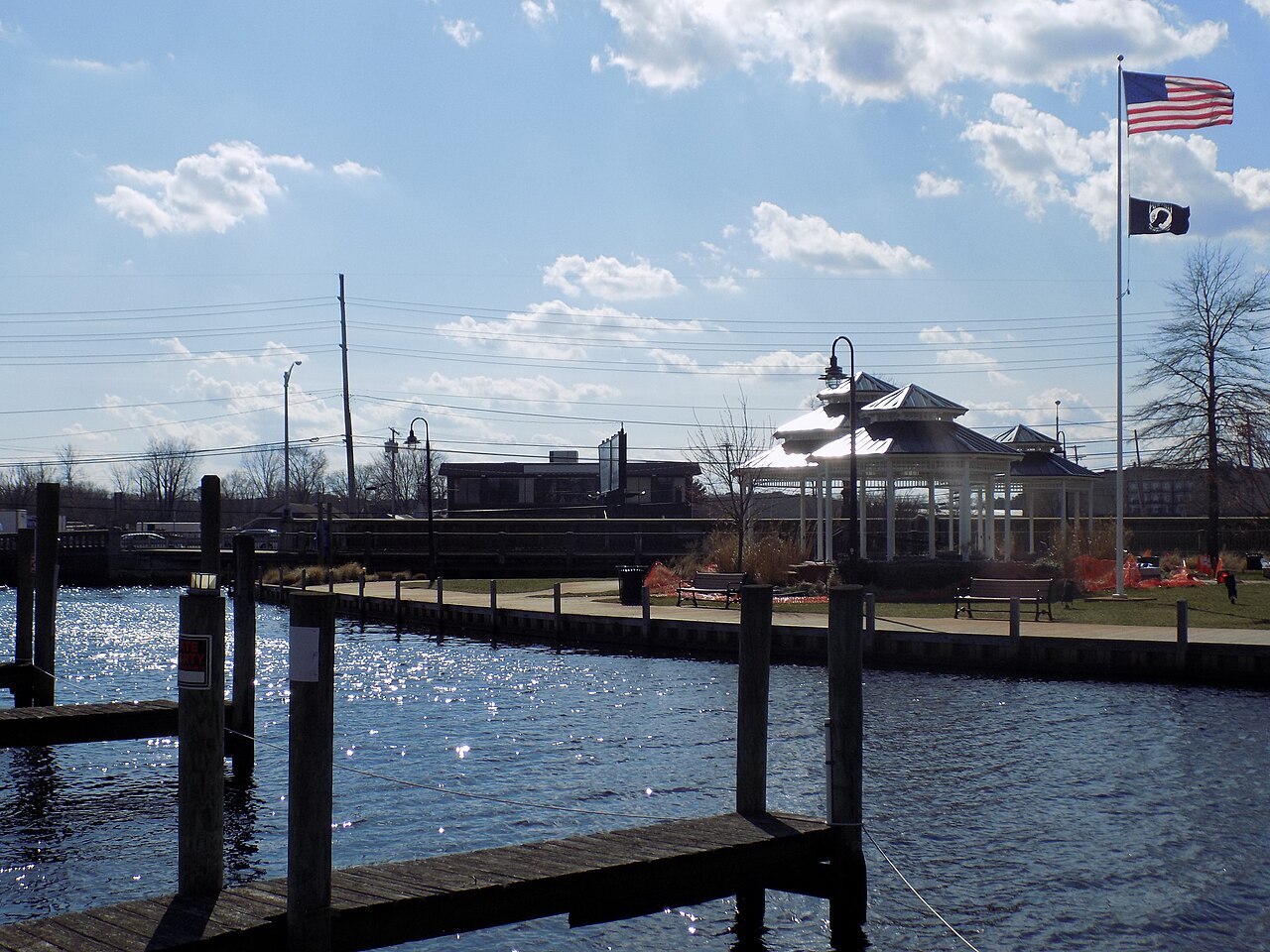
Toms River sits on the flat coastal plain of New Jersey, where the biggest threat to a sewer system is water itself.
Rain, tidal flooding, a high water table, salt air on everything, and the occasional nor'easter barreling up the coast. "The ocean is probably the biggest threat," says James McHugh, pump station supervisor at the Toms River Municipal Utilities Authority. "Hurricane Sandy did a lot of damage to our system."
The Authority runs one of the larger standalone sanitary sewer collection systems in New Jersey: about 430 miles of gravity mains, 20 pump stations and 45,000 customer connections, serving a town that is still growing. A crew of around 21 keeps it all running during the day. After hours, one person is on call. They rely on early warnings from RACO to keep the system flowing.
It's really an essential part of our system. It's our first line of defense.
Knowing before it becomes a problem
AlarmAgent units at the Authority's pump stations watch for the things that go wrong: power failures, high and low water, pump failures, generators kicking on.
"If there's any problem at the station, RACO is our way of knowing something's going wrong," says McHugh. "They help us prevent a bigger problem from occurring so we can get out there quickly."
The stakes are concrete. "The system could back up to the point where it would start spilling out into the environment, or people's basements even," he says. "RACO protects the environment and the community the most."
Storms are when the system earns its keep. In last year's blizzard, the team handled over 100 alarms. When the last nor'easter threatened to wash out the regional treatment plant, the plant asked member towns to hold back flow, and the Authority used its monitoring data, plus boots on the ground, to decide where it safely could.
Data that pays for itself
Toms River is a technology-forward operation.
The Authority has spent years relining pipes with trenchless technology to cut infiltration, and it places internal repair clamps, "kind of like what a heart surgeon would use," instead of digging up streets. The RACO data fits that mindset. Pump run times tell the team how much flow is moving through each station, and McHugh uses them as an early indicator.
"If something changes from week to week, then I know to keep checking it," he says. Recently, a pump at one station ran an hour longer than normal. The culprit was a check valve that needed attention. The payoff for catching it early? Two hours of maintenance rather than a $20,000 repair bill.
The Authority is big enough to justify a full SCADA system but chose a simpler path. Pump changeover is already automated at every station, so what the team needed was reliable eyes on everything, everywhere, without the cost and complexity. "I do see some towns in this area where they have somebody go to every station every day. I see them there on Saturdays and Sundays. We don't have that. We have a little bit of peace of mind having that tied into a system that tells us that everything's functioning as it should."
Reliable, and backed by people
After more than a decade with RACO, the verdict is simple. "We rely on it, really. And it's been reliable too," says McHugh.
The units themselves are cheap to maintain: a backup battery costs about $15. The people behind the product matter too. The team has "always been there to help as much as they could ... trying to do their best to help us resolve a situation."
Asked to sum up what RACO means to Toms River, Bernard Rutkowski, Executive Director of Toms River MUA says: "It's really an essential part of our system. It's our first line of defense."