Key takeaways
- AlarmAgent monitoring costs about a third of landline monitoring per station: $37 a month against $115.
- A status report each morning cuts the daily drive to three visits a week, so a small team can cover more stations as the town grows.
- Pump run-time history turns an unusually high electric bill into a pump you can find.
The challenge
Growth was outpacing a seven-person team and its phone lines
Flowery Branch is growing fast as suburban Atlanta spreads north. The city has approved 890 new homes, with 1,200 more possible in adjacent areas, and plans four more pump stations to serve them.
The department had relied on RACO Verbatim units for years, but every new remote station meant a new phone line to install and pay for. And the seven-person team drove to each station every day to check it was running, with the fuel, hours and wear that come with it.
The solution
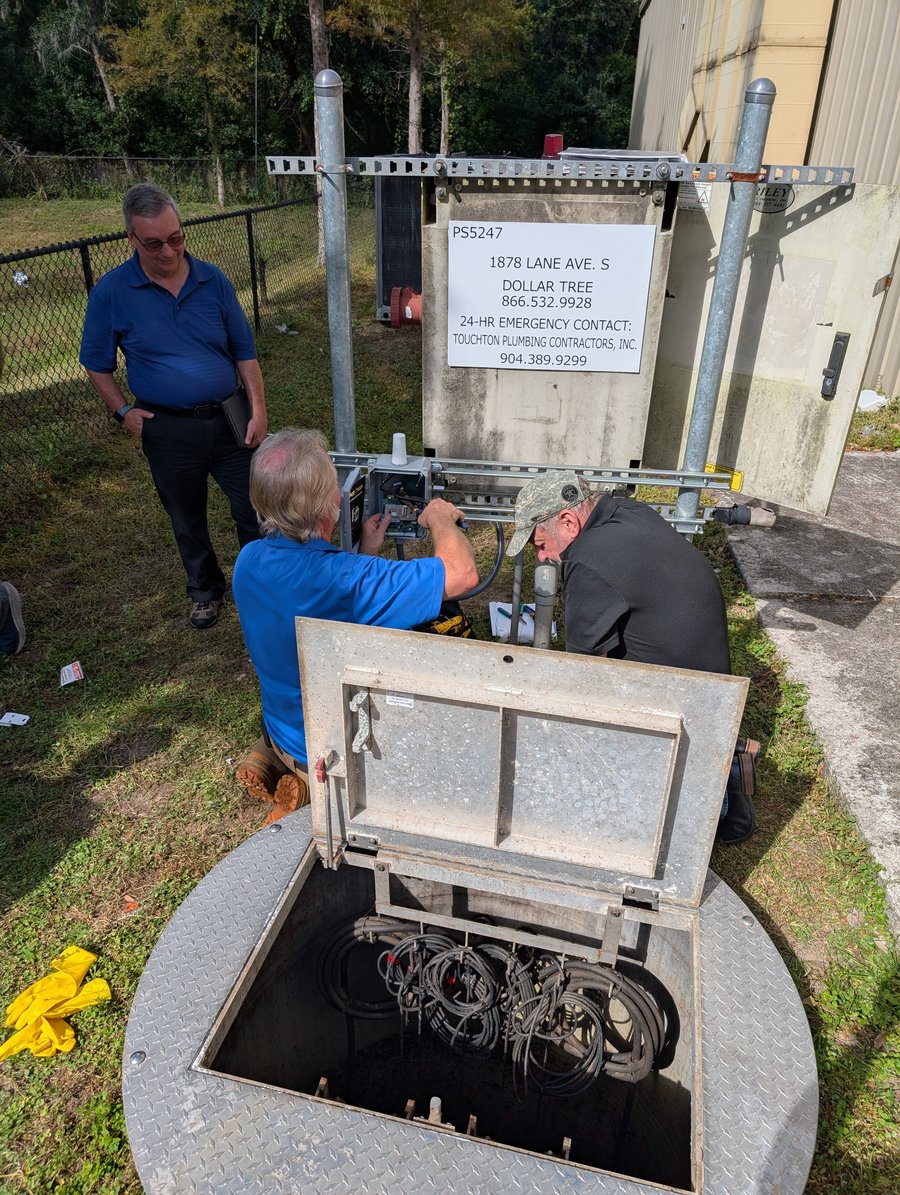
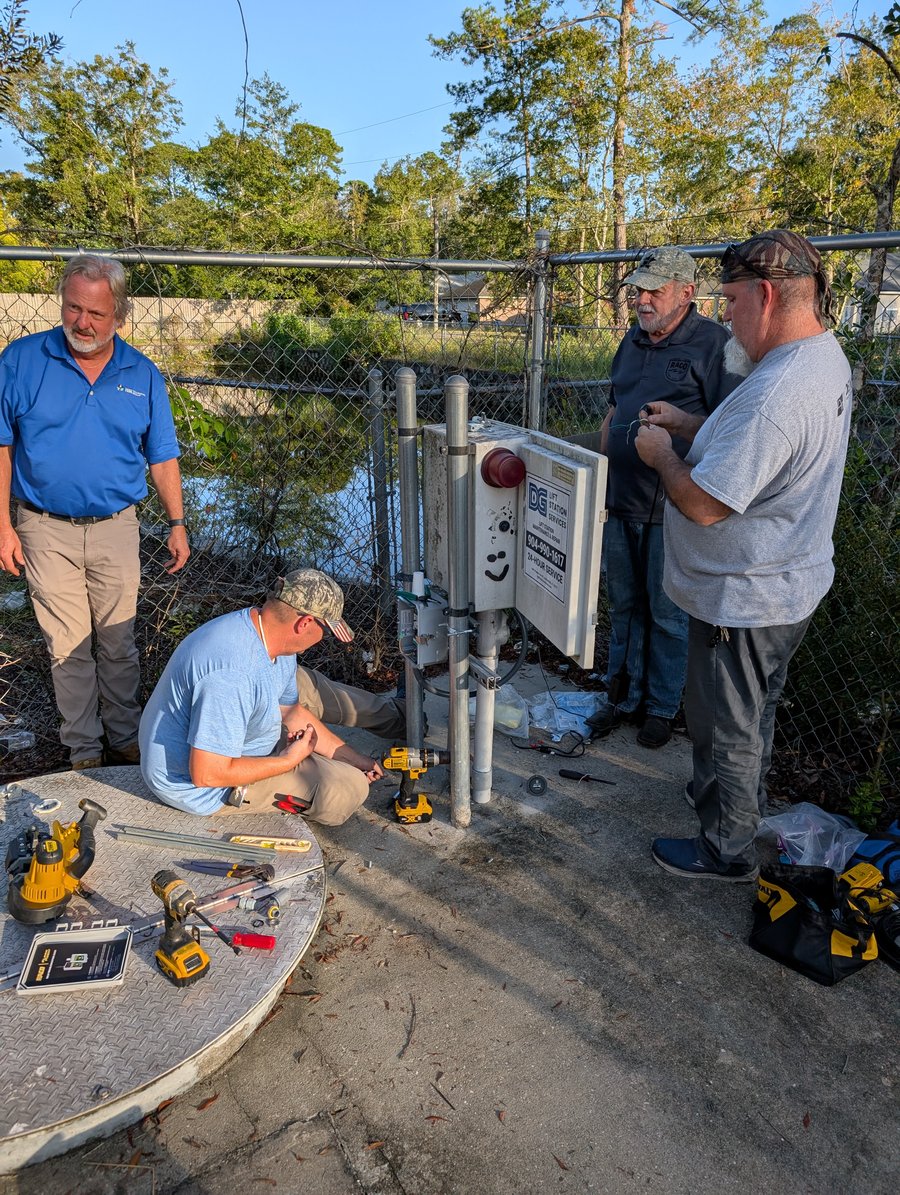
Cellular AlarmAgent units, dropped into the existing panels
Water/Wastewater Director Jimmy Dean has to manage that growth within both city and county budgets. He asked RACO for a cheaper way to watch a growing network, and AlarmAgent fit: cloud-based alarms and monitoring at a lower cost than a landline.
Dean’s team installed the units themselves. They fit straight into the existing panels with no modifications. Every morning AlarmAgent sends a Watchdog Report, and it alerts the team when anything is amiss.
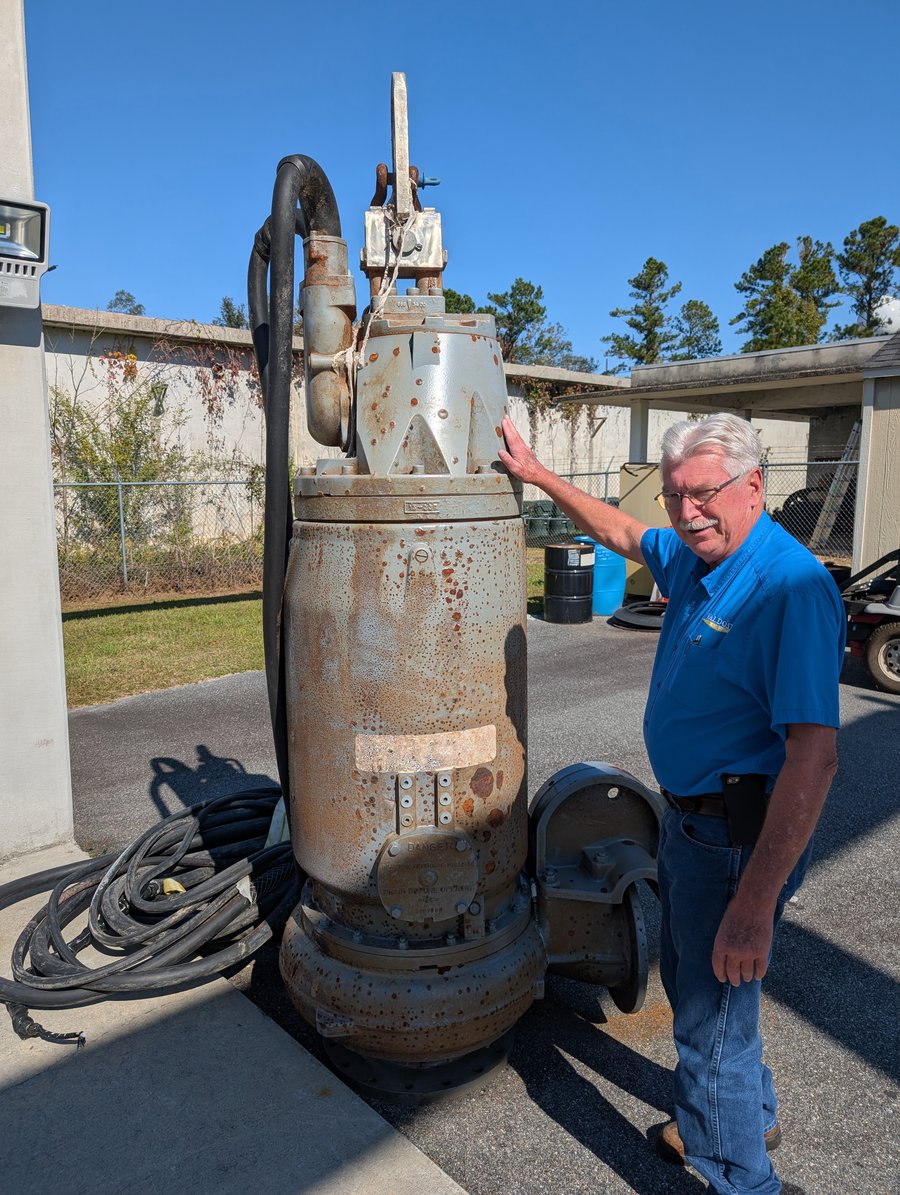
When my electric bill comes in and I notice it is unusually high, I can go back and look at my pump run times and see where the problems are.
The results
Fewer trips, lower bills and room to grow
The city saves more than $9,000 a year on phone lines alone, before counting the hours and mileage of daily station runs. Dean says the savings have already paid for several of the units.
With run-time data for every pump, the team can also see which pumps are working near or beyond capacity, plan maintenance before a failure and rebalance the system. The AlarmAgent setup has plenty of capacity for more alarms the team may add, such as phase loss, bearing temperature or unused capacity.